The Next Big Rugby Weekend and Why It Matters More Than the Final Table
TrendingFriday, 06 March 2026 at 16:09
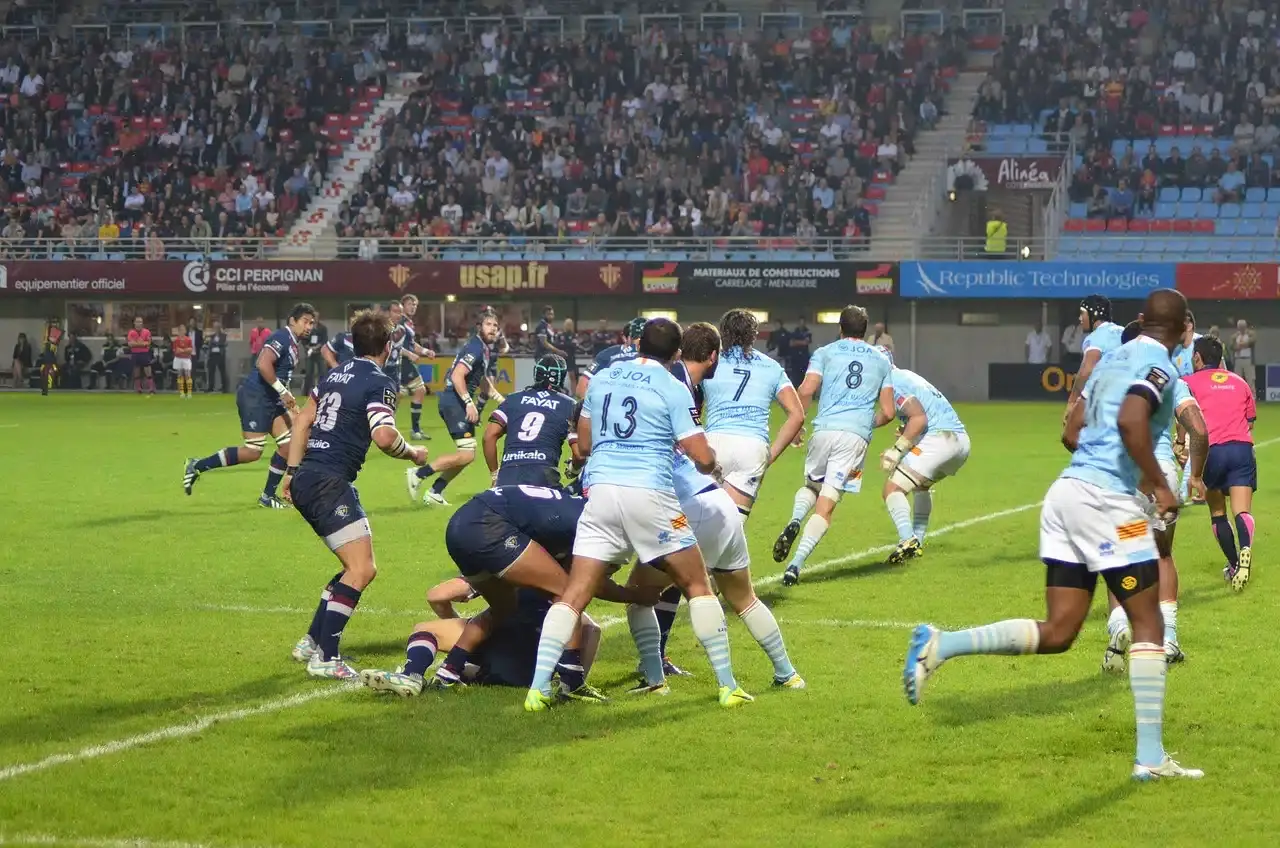

Rugby’s calendar is full, but there is always one fixture window that feels heavier than the rest. Not because it is a final, or because a trophy is handed over, but because it forces teams to show what they really are. The next Six Nations round is that kind of event. It sits ahead of the closing stretch, when hope is still alive for several sides and pressure has started to change behaviour. Players stop talking about building and start talking about points, discipline, and the parts of their game they trust when the match tightens.
You can see the shift in how the week is covered. Selection debates get sharper, injury updates feel more consequential, and preview talk turns from style to matchups. Even outside rugby circles, the conversation gets pulled into a numbers mindset, with sports betting sites offering their take on who is supposed to win. Inside camps, none of that matters unless it seeps into decision making. The team that wins the next big weekend is usually the one that keeps its focus on a few controllable themes and refuses to chase the match emotionally.
Why This Weekend Feels Different
Early rounds can be wild because teams are still feeling for rhythm. Later rounds can be tense because the table becomes a verdict. This next window sits in between, which is why it is so revealing. Coaches have enough evidence to adjust systems, but not enough time to rebuild them. Players have taken the knocks, but the tournament has not yet broken anyone’s confidence. You get the clearest view of how a squad responds to pressure without the safety of “it is only week one” or the desperation of “we need a miracle”.
It is also the point where discipline starts to decide outcomes. Not in the abstract, but in the dull moments that change matches: a late hit after a kick, hands in at the breakdown when the referee has already warned you, a crooked lineout under fatigue. Teams that stay calm keep themselves in games even when the attack is misfiring. Teams that lose shape gift momentum in chunks.
The Three Areas That Usually Decide It
Set piece reliability
A stable scrum and lineout do more than provide possession. They give a side permission to play. If your lineout is wobbling, you stop kicking to the corner and start taking shots at goal from too far out. If your scrum is under stress, your exit game becomes rushed and your halfbacks stop looking at the wide options because they are braced for contact.
In a big tournament weekend, the set piece is not about dominance for its own sake. It is about removing doubt. When a pack trusts its platform, everything else gets simpler.
The kicking game under pressure
Most Six Nations matches are won in the air and in the corners. That does not mean running rugby disappears. It means teams choose their running moments. The best sides kick to compete, kick to pin, and kick to relieve pressure without giving away cheap counter attack chances. The worst sides kick because they are out of ideas.
The next big weekend often comes down to who wins the space behind the defensive line. A well placed kick turns a crowded midfield into a chase and a tackle inside the five metre channel. A poor kick hands over an attacking launch to the other team. The difference can be one second of decision making.
Breakdown choices and penalty control
At international level, the breakdown is a negotiation with the referee as much as an athletic contest. Some teams want to slow ball and force errors. Others want to stay on their feet and keep the game moving. Either approach can work, but only if players understand what is being rewarded on the day.
The smartest sides pick their moments. They do not contest every ruck. They target the one that is isolated, the one that follows a long kick chase, the one where the carrier is upright and support is late. That selective aggression reduces penalties and increases payoff.
The Hidden Battle: Bench Impact
This is the stage where replacements decide matches. Starters can set the tone, but benches often determine whether a lead becomes secure or starts to wobble. A fresh tighthead can turn a stable scrum into a penalty machine. A replacement back row can lift the tempo at the breakdown. A calm reserve fly half can close out a match with territory and patience.
Teams that use the bench well tend to have a clear plan. They know whether they want a faster final quarter or a tighter one. They know which positions need fresh legs and which need steady hands. They also know when not to change things, because unnecessary substitutions can break rhythm.
What Supporters Should Watch For
If you want to understand the next big rugby weekend beyond the scoreboard, a few signals usually tell the story early.
First, watch the first ten minutes of kicking. Not for distance, but for intent. Are teams kicking to corners with chasers set, or kicking loosely into space without a chase line. The answer hints at how organised they are.
Second, look at how sides respond to the first refereeing decision at the breakdown. Do they adjust immediately, or do they keep pushing and start collecting penalties. This is often where matches are lost quietly.
Third, listen for tempo changes. When a team concedes, do they rush the restart and try to win the game in one phase, or do they return to territory and force the opponent to play from deep. Rugby punishes panic.
The Pressure Points for Each Type of Team
The top contenders face a different test. They are expected to win, which means opponents treat the match like a final. The challenge is staying patient when the underdog refuses to go away. A contender’s worst enemy is frustration, because it turns solid possession into forced offloads and hopeful kicks.
Teams in the middle of the pack carry another kind of burden. They often need a statement result to stay in the conversation. That can push them to play too fast, especially in the first half. The best versions of these teams earn the right to play first, through territory, tackles, and controlled phases.
For sides at the bottom end, the weekend is about belief. Not blind optimism, but the belief that a plan can hold for eighty minutes. That usually means defending well, taking points when they appear, and staying connected when the match swings. If they can reach the final quarter within one score, pressure shifts quickly.
Why This Weekend Shapes the Rest of the Tournament
The next Six Nations round does not end the championship, but it changes what feels possible. A win can transform a camp’s mood, make training lighter, make selection more stable. A loss can do the opposite, especially if it exposes a flaw that opponents can copy. Once the tournament reaches this stage, patterns spread fast. If one team shows that a rival struggles under high kicks, everyone tests it. If a pack looks fragile at scrum time, everyone leans on it.
That is why this event matters. It is where the tournament stops being a set of isolated matches and starts becoming a connected story. The best teams use it to tighten their identity. The rest spend the following week trying to patch the leaks it reveals.
If you watch one rugby weekend closely in the coming weeks, make it this one. Not because it guarantees drama, but because it demands clarity. Rugby rewards clarity more than almost any sport. When stakes rise, the teams that keep their heads and execute the boring things well usually end up writing the headline result.
TRENDING





LATEST NEWS
LATEST COMMENTS
Loading