
The dust has started to settle upon the 2025 Guinness Men's Six Nations, as France have been crowned champions for the first time since 2022. Les Bleus sealed the title in style as the closing match of Super Saturday, as Fabien Galthie's side handed Scotland a 35-16 defeat at the Stade de France.
All England could do was watch on from afar, as a solid French performance took the Six Nations title out of their grasp, even after Borthwick's side pieced together an impressive winning run of four consecutive victories. England dropped the hammer blow in Cardiff to wrap up their campaign, with an emphatic 68-14 triumph over Wales bringing around the heaviest deficit of defeat, ever witnessed by home fans at the Principality Stadium.
There has been plenty of stand out performances from the past five rounds of action, with the stars of the 'Home Nations' all pushing for places on this Summer's British & Irish Lions tour of Australia. Add into the mix a flourish of French flair and immense Italian ingenuity, and all Six Nations had stand out players to showcase for the 2025 installment of the competition. In this year's Team of the Tournament we've picked the best of each position, with all eyes now on the Lions contenders and the respective Summer tours of New Zealand and the Pacific Islands for France and Italy.
15. Blair Kinghorn (Scotland) - Fullback
It was a tough call for the fullback spot, with France fullback Thomas Ramos missing out on the starting shirt by the narrowest of margins. Ramos takes a seat as our 23rd man, with the starting 15 jersey this year going to Blair Kinghorn for RUCK's Six Nations Team of the Tournament. Kinghorn was immense in every performance for Scotland, and topped an assortment of attacking stats that simply could not be ignored when piecing together the team.
Kinghorn's tireless in-game involvement for Scotland, saw the Toulouse man top the carrying charts by a country mile. Kinghorn's 86 carries is streaks ahead of second placed Ben Earl, with the England back row behind on 63. The fullback also achieved the most meters carried of any player in the tournament with 857m, in what almost doubles the second placed effort from Duhan van der Merwe (478m).
Kinghorn also tops the metres gained charts with 574m, and also finished top of the offload table (13) and line-break chart (nine). A definite contenter for Player of the Tournament, who has all but played his way into Andy Farrell's plans for the British & Irish Lions tour this Summer.
14. Tommy Freeman (England) – Right Wing
Tommy Freeman had an outstanding campaign for England, proving to be a lethal finisher with a remarkable ability to consistently find the try line. Scoring in every single match, Freeman amassed five tries, showcasing his sharp instincts and attacking prowess for Steve Borthwick's side. His ability to maintain a high level of performance throughout the tournament was evident in his consistency, making him one of the most dangerous wingers in the competition. His 38 carries, ranking 25th overall, highlight his work rate and willingness to get involved beyond just finishing tries.
What set Freeman apart was not just his scoring ability, but his all-around game. With 331.5 metres carried (13th overall), he was a key contributor in England’s attacking phases, often breaking the defensive line with his powerful running. Freeman’s versatility was also on full display when he stepped into the centre role against Wales following Ollie Lawrence’s injury, demonstrating his adaptability and rugby intelligence. With seven offloads (fourth most in the tournament) and eight line breaks (second only to Blair Kinghorn), Freeman was a dynamic force in attack, solidifying his case as a front-runner for a starting spot on the 2025 British & Irish Lions tour.
13. Huw Jones (Scotland) – Outside Centre
Huw Jones continued to enhance his reputation as one of the most prolific outside centres in world rugby with a sensational Six Nations campaign. He made a thunderous start to the tournament, bagging a hat-trick of tries in Scotland’s opening fixture against Italy, immediately asserting himself as a key attacking weapon. His fourth try came against England in a crucial encounter at the Allianz Stadium, cementing his position as one of the tournament’s top attacking options.
Beyond his try-scoring exploits, Jones was a constant threat with ball in hand, ranking sixth overall for carries (52) and fourth in metres carried (455.2m). His attacking contributions were vital for Scotland, particularly in the absence of Sione Tuipulotu, his usual midfield partner and Scotland captain. With Tuipulotu sidelined through injury, Jones stepped up as the senior figure in the Scottish midfield, demonstrating his leadership and adaptability to the rest of his side.
His performances will not likely go unnoticed, as he firmly played himself into contention for Andy Farrell’s plans for the British & Irish Lions.
12. Bundee Aki (Ireland) – Inside Centre
At 34 years old, Bundee Aki proved that he still has plenty left in the tank, delivering yet another impactful Six Nations campaign for Ireland. A veteran of the test arena, Aki started three of Ireland’s five matches, underlining his continued importance in a Farrell-less Ireland set-up. He got his campaign off to a strong start with a crucial try in Ireland’s opening-round win over England, setting the tone for another strong showing in green.
Despite nearing the twilight of his career, Aki remains a key figure for both Ireland and potentially the Lions. His powerful ball-carrying, defensive solidity, and leadership make him an invaluable asset. Aki has been one of Farrell’s go-to men for years for Ireland, and while younger talents are emerging in the midfield, his experience and reliability could see him earn a well-deserved final Lions tour, capping off an illustrious international career.
11. Louis Bielle-Biarrey (France) – Left Wing
Louis Bielle-Biarrey was, quite simply, the most devastating attacking player in the 2025 Six Nations. The French speedster topped the tournament’s try-scoring charts with an astonishing eight tries in five matches, demonstrating his incredible finishing ability and electric pace. His clinical edge in front of the try line was unmatched, and what made his achievement even more remarkable was that he was the only non-goal-kicker inside the tournament’s top five point scorers. His 40 points, purely from tries, placed him fourth overall, surpassing even notable England goal-kickers like Marcus Smith and Fin Smith.
At just 21 years old, Bielle-Biarrey’s potential is staggering. With 18 tries in just 19 test caps, he is on track to become one of the all-time greats of French rugby. His attacking instincts, coupled with his ability to create something out of nothing, make him a nightmare for defenders. If he continues at this rate, he could well go down as the greatest winger in French rugby history, with the potential to become their all-time top try-scorer.
10. Fin Smith (England) – Fly-Half
For Fin Smith, the 2025 Six Nations was a breakthrough tournament, marking his arrival as England’s first-choice fly-half. After earning his first Test start against France, Smith seized his opportunity with both hands, displacing Marcus Smith and leading England to four consecutive victories over France, Scotland, Italy, and Wales. His performances were composed and mature beyond his years, showcasing his game management, tactical kicking, and play-making abilities.
Smith finished the tournament with 29 points (sixth overall), underlining his growing influence on England’s attacking game. His four try assists placed him joint-second alongside his Northampton and England halfback partner, Alex Mitchell, highlighting his ability to create scoring opportunities. Additionally, his 13 successful conversions were the second-highest of the tournament, showcasing his reliability from the tee. With his strong performances, Smith has not only cemented his place in England’s setup but also put himself firmly in contention for a Lions call-up, potentially edging out Marcus Smith in the pecking order for both his country and tourists alike.
9. Antoine Dupont (France) – Scrum-Half
Despite missing part of the tournament due to his season-ending knee injury, Antoine Dupont’s impact was so profound that he still earned his place as the top scrum-half of the Six Nations. The French captain set the foundations for his team’s campaign before being sidelined, leaving a lasting impression with his world-class performances. His playmaking ability and leadership were evident in every match he played, and his statistics further underline his dominance.
Dupont recorded the fifth-most passes (222) and the second-most offloads (10), consistently creating attacking opportunities for his teammates. His ability to control the tempo of the game was unmatched, and he demonstrated his kicking prowess with 41 kicks in play (sixth-most in the tournament). However, the most telling statistic was his tournament-leading seven try assists in just three matches, proving his status as the best playmaker in the competition.
While England’s Alex Mitchell also had a solid campaign, his defensive frailties with 17 missed tackles, and occasional overuse of the boot saw him fall just short of Dupont’s brilliance. Even in an abbreviated campaign, the French maestro reaffirmed his position as the best scrum-half in world rugby.
1. Danilo Fischetti (Italy) – Loose-head Prop
Danilo Fischetti had an outstanding Six Nations campaign, further solidifying his reputation as one of the most tenacious loose-head props in world rugby. Despite an early departure in the 16th minute against France, Fischetti posted remarkable defensive statistics, finishing the tournament with 53 tackles—the most of any front-row forward. Fischetti also excelled in his scrummaging efforts, going toe-to-toe and holding his own with the likes of Will Stuart, Finlay Bealham and Zander Fagerson.
His relentless work ethic extended beyond defense, as he made 61 attacking ruck arrivals and 35 defensive ruck arrivals, the latter being the highest among front-row forwards. His ability to impose himself at the breakdown was crucial for Italy, as he frequently disrupted opposition ball retention and provided a solid foundation for his teammates.
Fischetti’s influence was felt beyond just the numbers. His landmark 50th Test cap, achieved against France, was a testament to his consistency and resilience. While the likes of Pierre Schoeman and Andrew Porter put in strong performances, Fischetti’s all-around game placed him ahead of his competitors for our Team of the Tournament. His dynamic carrying, powerful scrummaging, and ability to contribute in open play made him a standout in a resurgent Italian side. Though Italy struggled to secure wins, Fischetti’s individual brilliance did not go unnoticed, and he was one of the bright spots in their campaign.
2. Dan Sheehan (Ireland) – Hooker
Dan Sheehan once again proved why he is one of the most lethal hookers in world rugby. His five tries placed him third on the overall try-scoring list, making him the top-scoring forward in the tournament. A crucial component of Ireland’s rolling maul, Sheehan's finishing ability near the line was unmatched. His hat-trick in the final round win against Italy highlighted his attacking prowess and ability to capitalize on Ireland’s dominant forward play. His 25 points across the tournament put him eighth in overall scoring, tying him with the likes of Tommy Freeman and out-placing potential Lions teammate Huw Jones.
Beyond his try-scoring exploits, Sheehan was instrumental in Ireland’s set-piece dominance. His 36 carries showcased his ball-carrying ability, while his precision in line-out throws ensured that Ireland maintained a high level of efficiency at the set-piece. His mobility and strength in the loose made him a key player for Ireland, seamlessly blending traditional hooker duties with modern attacking demands. As a likely candidate for the British & Irish Lions tour this summer, Sheehan has firmly established himself as one of the premier hookers in the game.
3. Zander Fagerson (Scotland) – Tight-head Prop
Zander Fagerson was a workhorse for Scotland throughout the Six Nations, showcasing an incredible engine that defied the expectations for a tight-head prop. His 57 carries - the most of any front-row forward and even surpassing his Scotland teammate Duhan van der Merwe - demonstrated his ability to make hard yards and provide Scotland with a vital ball-carrying option. His mobility and durability allowed him to influence both attack and defense, making him a cornerstone of Scotland’s pack.
Fagerson’s effectiveness at the breakdown was another key highlight of his campaign. He registered 142 attacking ruck arrivals, joint second with Maro Itoje, and led all front-row forwards in this category. Additionally, his 29 breakdown clean-outs ranked him fifth overall, proving his value in securing quick ball for Scotland’s attack. His ability to combine relentless work rate with technical proficiency in the scrum made him one of the most well-rounded props in the tournament. His performances further cemented his status as Scotland’s first-choice tight-head and a leading candidate for Lions selection.
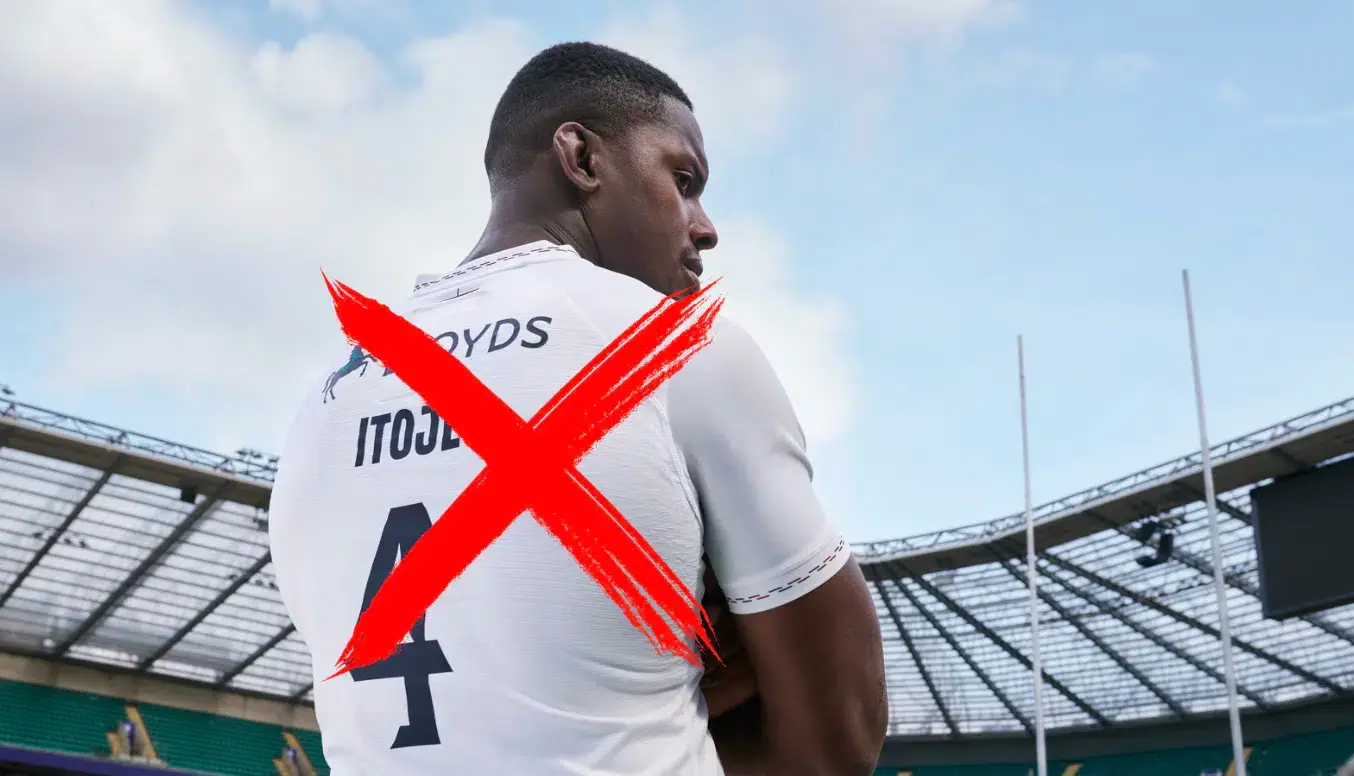
4. Maro Itoje (England) – Lock
Maro Itoje once again proved his immense value to England, playing a crucial role in their resurgence. As England’s newly appointed captain at Twickenham, Itoje led the team to an undefeated home record with wins over France, Scotland, and Italy. His work rate was phenomenal, particularly in the ruck battle, where he recorded 142 attacking ruck arrivals, joint second in the tournament with Zander Fagerson. He also finished third in defensive ruck arrivals with 44, showing his effectiveness on both sides of the ball.
Itoje’s aerial presence was another standout aspect of his campaign. With 25 line-out takes, he was second only to Italy’s Federico Ruzza, reinforcing his dominance in set-piece play. He also ranked sixth in breakdown steals with three, further highlighting his versatility and ability to disrupt opposition ball. Backed by England head coach Steve Borthwick as a potential Lions captain this summer, Itoje’s leadership, consistency, and high-impact performances make him a front-runner for the prestigious role.
5. Dafydd Jenkins (Wales) – Lock
Dafydd Jenkins had another solid tournament for Wales, stepping up as a dominant force in the second row. He finished second in tackles with 78, showcasing his immense work rate and defensive commitment to a struggling Welsh side. His breakdown presence was equally impressive, ranking third in clean-outs with 36, and fourth in line-out takes (joint with England’s Ollie Chessum) with 22. His ability to operate across both loose and tight lock positions made him a valuable asset for Wales, providing stability and versatility in an unsteady time with the WRU.
Jenkins’ endurance and commitment were evident throughout the tournament. He played the full 80 minutes in four matches, despite juggling club commitments with Exeter Chiefs, where he put in another immense shift in the Premiership Rugby Cup semi-final win over Sale Sharks. His consistency and physicality have positioned him as a key player for Wales moving forward, and his performances have undoubtedly placed him in contention for a spot on the British & Irish Lions tour.
6. Jac Morgan (Wales) – Blindside Flanker
Jac Morgan emerged as Wales’ standout performer, proving himself as one of the best back-row forwards in the tournament. His 88 tackles were the most of any player, demonstrating his defensive prowess and relentless work rate. As Wales’ captain, he showed remarkable leadership, navigating the team through a turbulent period that saw the sacking of Warren Gatland and the appointment of Matt Sherratt as interim head coach. Both coaches spoke highly of Morgan’s influence, underlining his importance to the squad.
Morgan’s contributions at the breakdown were equally impressive. He ranked fifth in attacking ruck arrivals (115), second in defensive ruck arrivals (58), and fourth in cleanouts (31). His ability to dominate in contact, secure turnovers, and provide consistent defensive coverage made him a crucial figure for Wales. With his all-action style of play and leadership qualities, he has placed himself firmly in contention for the Lions squad, and is the Welshman with the best chances of starting in the famous Lions' red.
7. Rory Darge (Scotland) – Openside Flanker
Rory Darge had a phenomenal tournament, leading in several key breakdown and ruck statistics. He registered the most attacking ruck arrivals (153) and topped the charts for cleanouts (45), proving his dominance in securing possession for Scotland. His relentless work at the breakdown ensured quick ball for his team, making him one of the most influential openside flankers in the competition.
As co-captain alongside Finn Russell, Darge stepped up like the aforementioned Huw Jones, in the absence of Scotland’s regular captain Sione Tuipulotu. Darge delivered consistent performances across all five matches, and he made a statement in the opening-round win over Italy, where he also crossed the try line in the impressive early win. His ability to balance leadership with high-level performances has cemented his place as one of Scotland’s key players and as a likely contender for the Lions tour.
8. Ben Earl (England) – Number Eight
Ben Earl was one of the most dynamic forwards in the tournament, combining power, speed, and versatility in a stunning camapign. He made the second-most carries in the competition with 63, the highest of any forward. His ability to transition seamlessly into the back-line was highlighted when he moved to centre against Wales, allowing England to adapt tactically when Henry Pollock made his senior England debut. His 427.7 meters carried was the most by any forward, emphasizing his attacking impact for Borthwick's side.
Earl’s defensive contributions were also notable. He was tied second for breakdown steals with five, alongside England teammates Ben and Tom Curry. His well-rounded skill set, explosive ball-carrying ability, and adaptability make him one of England’s most valuable assets and a strong Lions candidate. Earl saw off Gregory Alldritt to take up the number eight shirt in our team of the tournament, with the France back row forced to settle for the substitutes bench despite his own impressive figures around the breakdown and with ball in hand.
REPLACEMENTS
16. Jamie George (England)
17. Pierre Schoeman (Scotland)
18. Uini Atonio (France)
19. Federico Ruzza (Italy)
20. Gregory Alldritt (France)
21. Alex Mitchell (England)
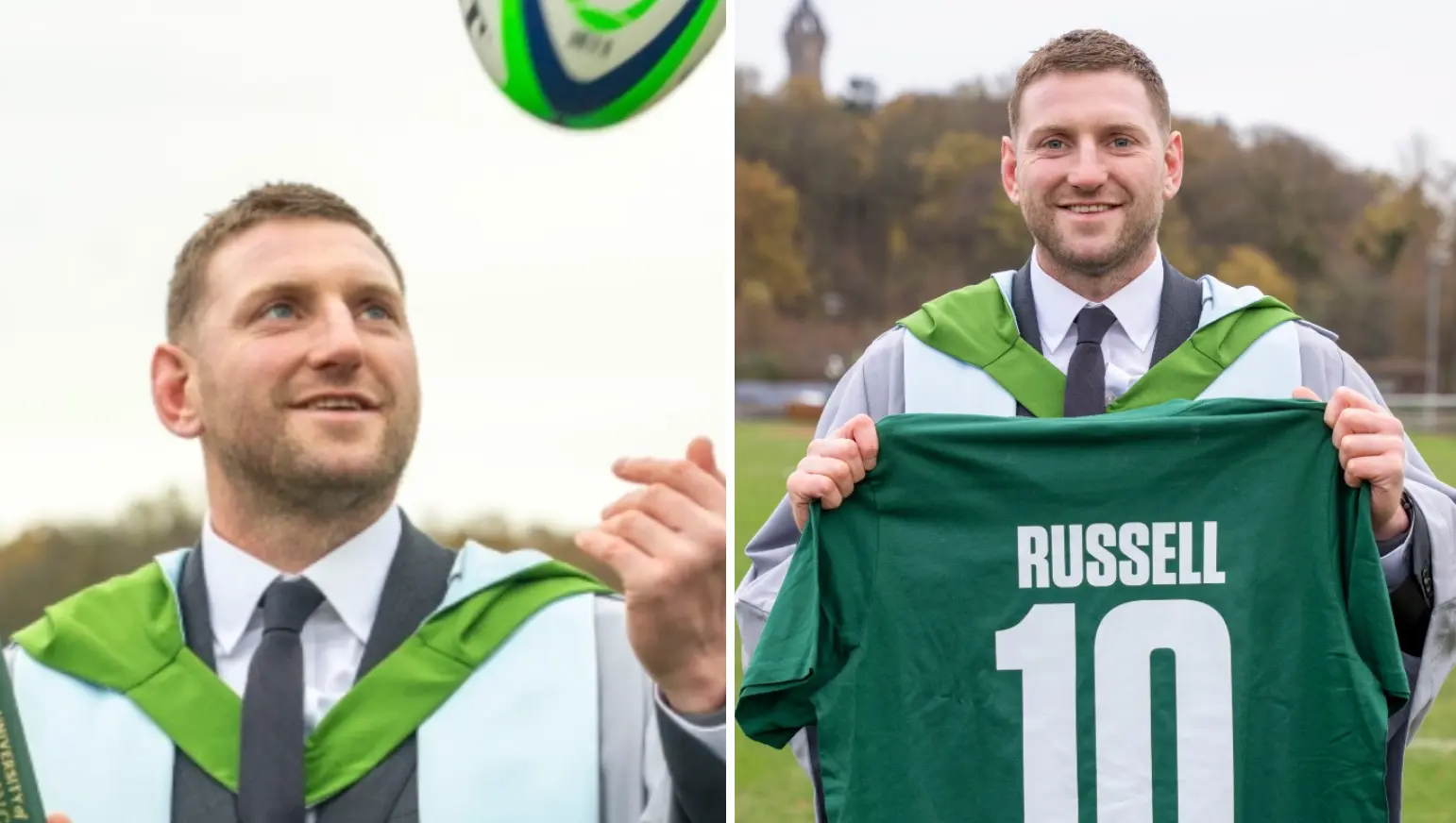
22. Finn Russell (Scotland)
23. Thomas Ramos (France)
EDITORS PICKS:
- Competition: A chance to roar the Lions on down under in Sydney and Melbourne!
- Wales player ratings vs England: 2025 Six nations
- England player ratings vs Wales: 2025 Six Nations
- England fans stunned as Ellis Genge grabs debutant by the neck
- Ireland player ratings vs Italy: 2025 Six Nations
- Italy player ratings vs Ireland: 2025 Six Nations
TRENDING

LATEST NEWS
LATEST COMMENTS
Loading