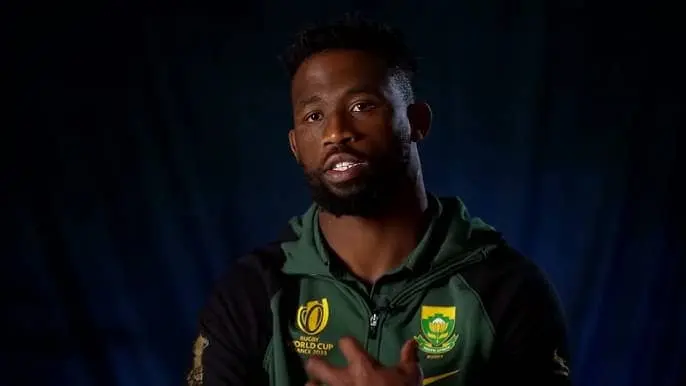
Springbok centurion Willie le Roux and his wife Holly have opened up about their deeply personal fertility journey, revealing the couple have been trying to start a family for almost two years.
Holly recently underwent exploratory surgery after being diagnosed with
silent endometriosis, with the procedure giving the couple renewed hope following a difficult period.
Join the RUCK’s WhatsApp community here and get the latest news sent straight to your messages. The condition can be particularly challenging because endometriosis does not always produce the severe symptoms commonly associated with the disease.
Holly described the procedure as something of a “shot in the dark”, but said afterwards that she felt hopeful about what could come next.
She also revealed the support Willie has provided throughout their journey, with rugby taking a back seat while his wife recovered.
Willie le Roux was granted special leave
Le Roux was previously granted leave from his rugby commitments to spend time with Holly during her treatment and recovery.
Holly publicly thanked Bulls coach Johan Ackermann for allowing the 101-cap Springbok to be alongside her at such an important time.
It offered some context to Le Roux's absence from rugby, with the hugely experienced full-back putting his family first.
The couple married in 2024 after several years together, and Holly has now spoken candidly about their hopes of eventually becoming parents.
She wrote about wanting to one day share the full story of their fertility journey, while reaching out to other women and couples experiencing similar difficulties.
"For the first time in almost two years I feel validated"
Following the procedure, Holly shared an emotional update with her followers and explained why the moment meant so much after almost two years of uncertainty.
“For the first time in almost 2 years I feel validated ???
“I have never really discussed my fertility journey on here because I never want it to be my whole personality. I would like to be known for so much more than this so I won’t touch on all the details at this point but it is so important to highlight the goodness when it happens. Today I feel happy and hopeful.
“To all the people navigating this journey: the single ladies looking at donor sperm, the teenager thinking about going on the contraceptive pill, the 30 year old debating freezing her eggs, the woman struggling through her 3rd miscarriage not understanding why, and the hard working couples saving up for their first ivf cycle, or the couple that has been trying for months on end with no answers. Willie and I see you, and we recognise your pain ?”
Her message also highlighted why the couple's experience will resonate with so many people, with fertility difficulties taking many different forms and often involving long periods without answers.
Far more common than many realise
Le Roux and his wife are certainly not alone.
According to the World Health Organization, approximately one in six people experience infertility during their lifetime.
Endometriosis is also remarkably common, affecting an estimated 10 per cent of women and girls of reproductive age globally — around 190 million people.
The condition occurs when tissue similar to the lining of the uterus grows outside it. It can cause severe pain and is also associated with fertility difficulties, although symptoms vary significantly between individuals.
Holly's reference to almost two years of uncertainty also reflects one of the particularly difficult aspects of fertility problems: for some people, finding an explanation can itself be a lengthy process.
Support is available
Anyone experiencing fertility problems can find information about possible causes, when to seek medical advice, fertility testing and available treatments through the NHS.
The NHS also provides information for people considering or undergoing IVF, including details about the process and the emotional support and counselling available during treatment.
More information: NHS IVF guidance Editors Picks: