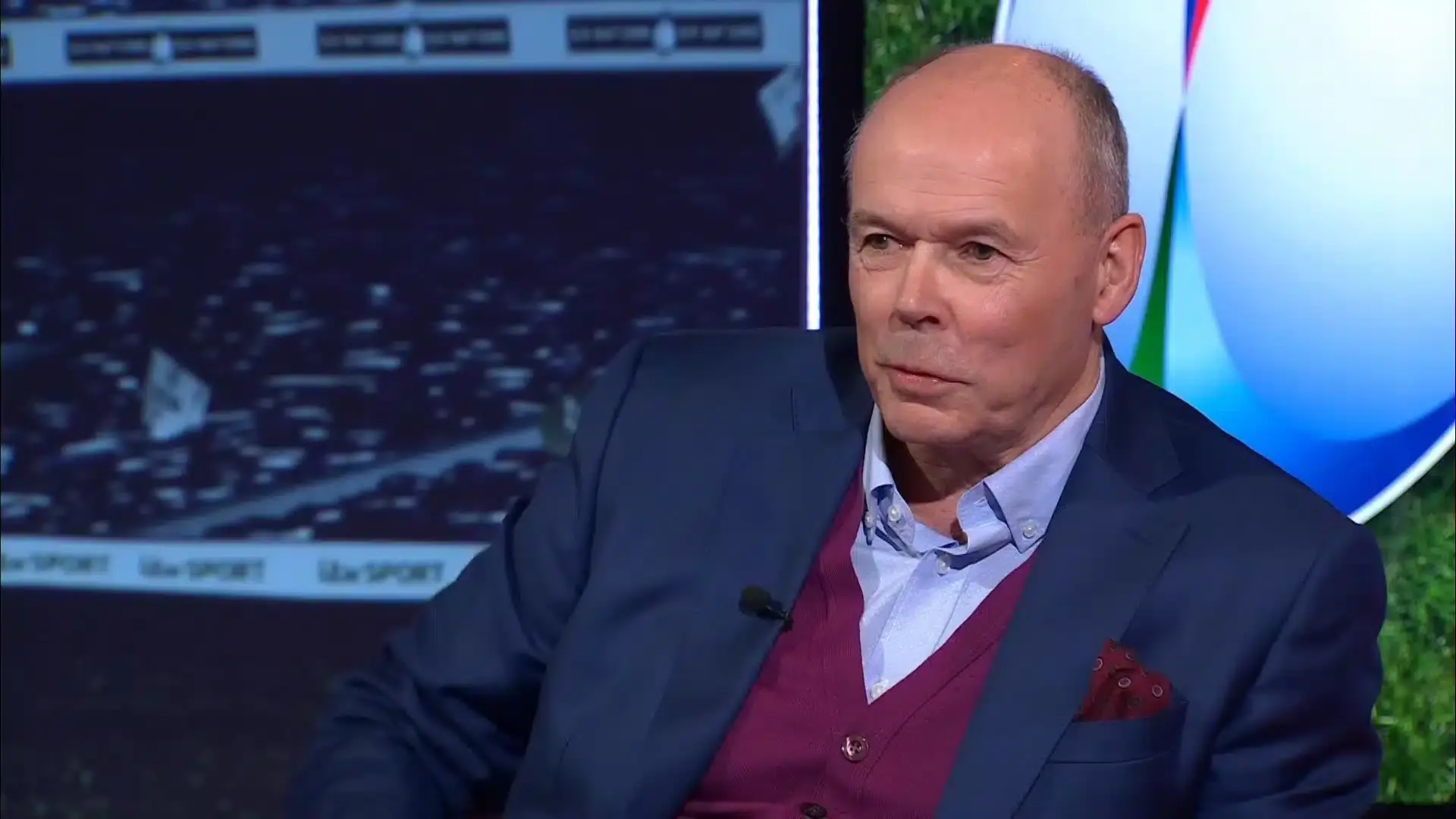
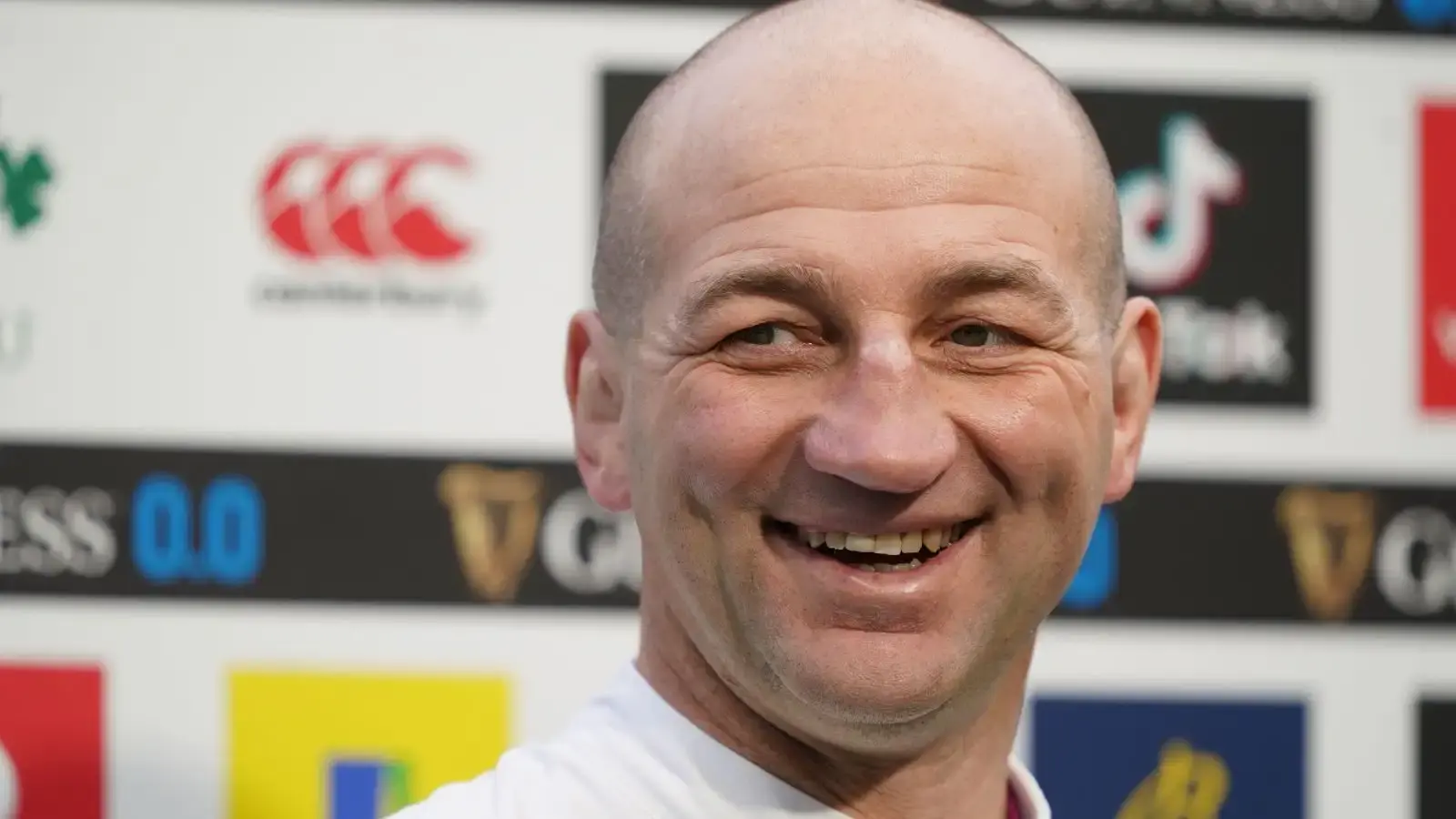
Sir Clive Woodward has accused England’s players of being “deluded” if they believe Steve Borthwick’s current game plan is working, as pressure continues to mount ahead of their Six Nations clash with France.
⭐ Save us to your Google Favourites for nonstop RUCK content! Writing in his latest column, the former England World Cup–winning coach said he is frustrated by the messaging coming out of the England camp after their shock defeat to Italy and a run of poor results.
England head to Paris this weekend having lost three consecutive matches, and Woodward believes the team must radically change their approach if they want to compete with the world’s best.
In his column for Mail Online, Woodward wrote that the situation around the team now amounts to a “crisis”.
“When you’re in a time of crisis as a team – and that’s where Steve Borthwick and his players are at right now – what you do off the field can be as important as your actions on it.”
Woodward said messaging from players this week has surprised him, particularly their continued support for Borthwick’s kick-heavy tactical approach.
“The overriding feeling – which echoes my own – is that Borthwick’s team aren’t playing the right way to achieve success.”
The former England head coach has been a consistent critic of England’s current style, arguing the side should play with more pace and attacking intent.
“The players have this week essentially doubled down on the fact they have full belief in the kick-heavy game plan Borthwick drives. I’ve already made clear that I vehemently disagree with that notion.”
Woodward believes England have the talent to play a faster and more dangerous attacking game, but insists standards in the basics must also improve.
“I believe England must play with far greater pace and attacking venom. They have the players to do so, but must also get the basics back to a world-class level.”
However, comments from inside the England camp suggest a major tactical shift is unlikely before Saturday’s clash with France.
Scrum-half Ben Spencer insisted the squad still believes in the current approach.
“I don’t think the game plan needs to change at the moment. We all believe in the plan. We haven’t gone too far away from what we did when we had 12 wins on the spin.”
Meanwhile, back-rower Ben Earl offered a more positive view of England’s performance in the defeat to Italy.
“I actually thought we played pretty well.”
England now face a huge test in Paris, with Woodward warning that sticking with the same approach could prove costly against one of the most dangerous attacking sides in world rugby.
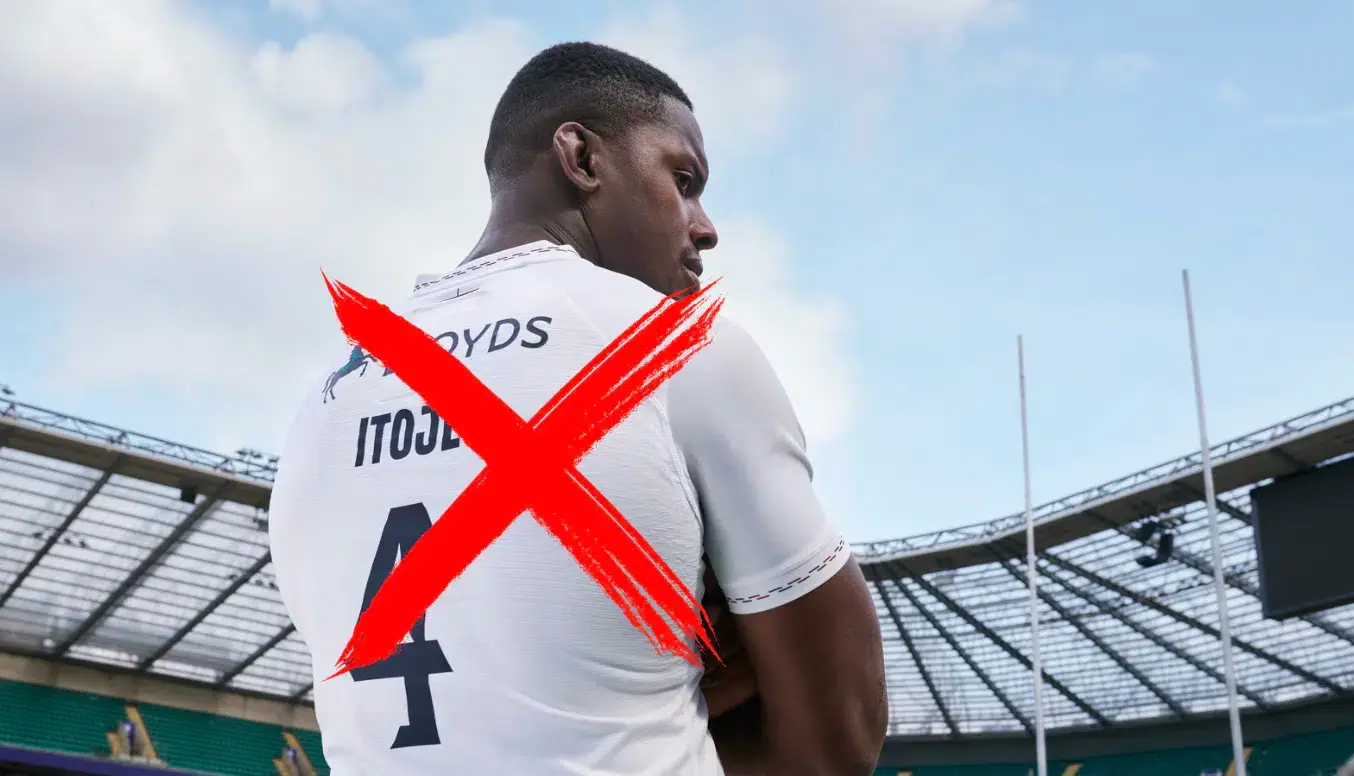
Five players who won’t play for England again under Steve Borthwick
Here are five players who look unlikely to pull on an England shirt again while Borthwick remains in charge.
1. George Ford
The omission of Ford wasn’t subtle.
After back-to-back defeats to Ireland and Scotland, Borthwick didn’t rotate his senior fly-half — he removed him entirely. With Fin Smith handed the reins and the coaching staff doubling down on a refreshed backline, it signalled a strategic shift rather than a temporary tweak.
Ford has been one of England’s most dependable operators over the last decade. But international rugby moves fast, and World Cup cycles move faster. At 30+, he now looks like yesterday’s solution to tomorrow’s problem in the eyes of the current regime.
Could he return in a crisis? Possibly. But coaches rarely pivot away from an established No.10 this decisively unless they’re planning long-term.
Right now, it feels like the page has turned.
Watch the Guinness Six Nations at your local
Greene King sports pub.
2. Tom Willis
The situation surrounding Tom Willis is far more straightforward.
After deciding to move abroad, Willis effectively removed himself from the England equation under RFU selection policy. Borthwick publicly stated that England would invest time in players who will be part of the 2027 World Cup campaign — and confirmed Willis is not in that group.
That’s as clear as it gets.
Regardless of form, availability remains king in Test rugby. Once a player falls outside the strategic pathway, reversals are rare.
For Willis, the door doesn’t look ajar — it looks shut.
3. Zach Mercer
Few England stories have been as frustrating as Zach Mercer.
A standout at club level, Mercer has repeatedly found himself on the outside of England’s plans. After being told he wasn’t part of Borthwick’s vision, he openly admitted he felt “done” with England and needed to step away for his own mental well-being.
He later returned to France — a move that, under current selection rules, makes a recall even less likely.
The reality? Mercer doesn’t fit the mould Borthwick appears to prefer at No.8 — a more defensively dominant, collision-heavy profile.
With policy and preference both working against him, his England chapter appears finished.
4. Ollie Hassell-Collins
On paper, Ollie Hassell-Collins ticks boxes.
Size. Power. Finishing ability.
Yet despite strong club form, he’s remained stuck on two caps with little indication he’s climbing back into contention.
Wing is one of the most unforgiving positions in Test rugby. Once a hierarchy forms, it’s difficult to break back in — especially when coaches appear to have stylistic preferences locked in.
The longer Hassell-Collins remains outside the squad, the clearer the message becomes.
Sometimes absence says everything.
5. Owen Farrell
This is the headline name.
Owen Farrell has been a central figure of the Borthwick era — but the current trajectory suggests his international future may lie elsewhere.
While the England boss has publicly insisted the “door is open,” actions speak louder than words. Farrell hasn’t featured in recent squads, and England are clearly building a new leadership spine without him.
With younger options being handed responsibility at 10 and 12, and with continuity now crucial ahead of 2027, it’s increasingly difficult to see where Farrell fits into the long-term structure.
Never say never in Test rugby.
But unless injuries force a rethink, this England team appears to be moving on.
Quiz: Can you all of the Guinness Six Nations winning captains?
In the storied history of Rugby's Greatest Championship, exceptional leaders have emerged—warriors of various forms, be they agile half-backs, towering second rows, or fearless flankers.
Our latest quiz invites you to identify those who have captained their nations to Guinness Six Nations glory. It's worth noting that in certain instances, there may be multiple captains from the same year due to factors such as injuries and rotation.
Surnames only will be accepted.