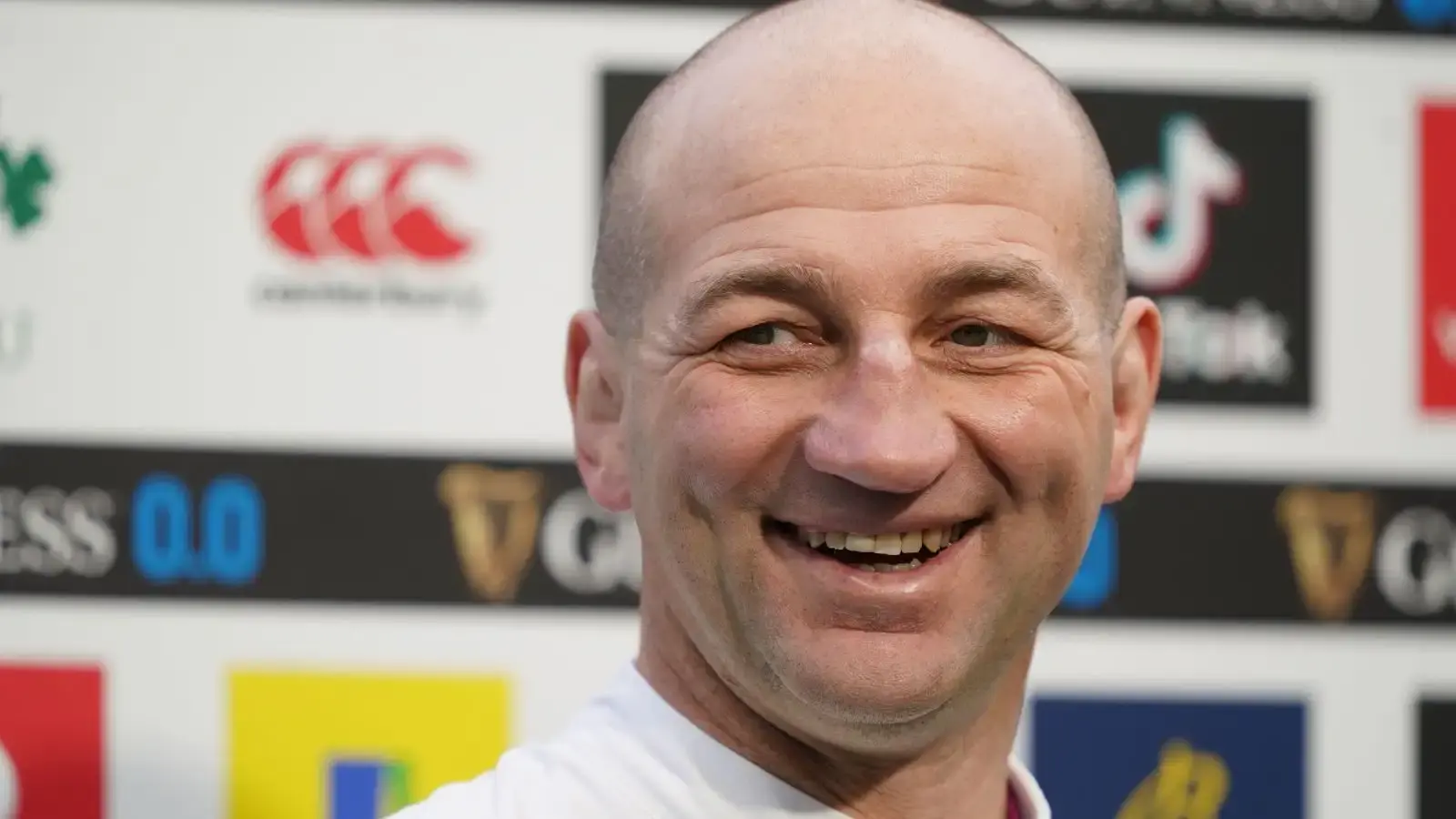
"Pom squad" - Brian Moore tells Steve Borthwick he got selection wrong
Rugby News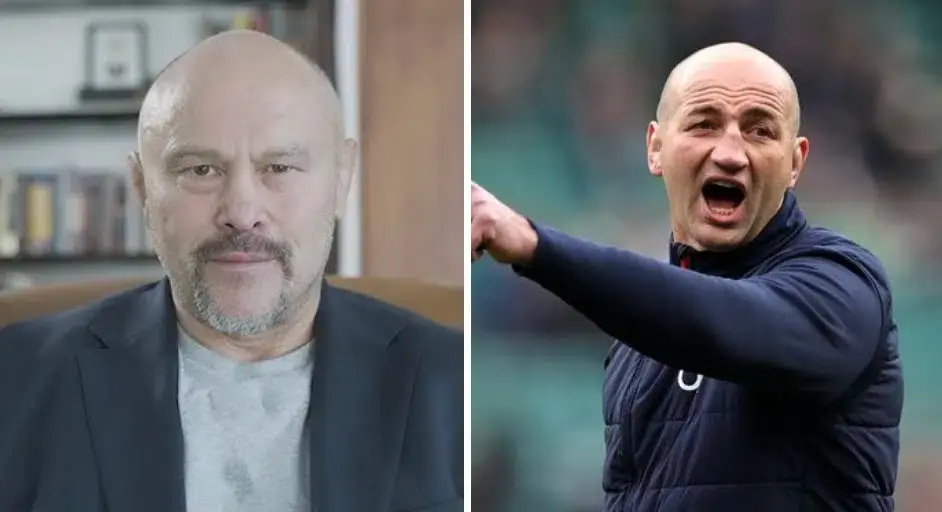

Bench split exposes a flaw
“The Scotland game threw up a variable that was less easily managed, one which should cause pause for thought about the split on the bench between forwards and backs and which players are selected to cover the backs positions.”
“When Borthwick picked Fin Smith, he got cover at centre and fly-half, allowing Tommy Freeman to go to the wing when Arundell got sent off and was eventually replaced. Technically, this should have worked but it disrupted the back line more than if he had opted for Marcus Smith, or another player, who can cover both fly-half and full-back.”
The Marcus Smith question
“Borthwick needs to consider whether that option was more effective than Marcus Smith coming on at full-back with Freddie Steward moving to the wing, a place where he has been picked as first-choice on occasion. This conundrum might be one that occurs less often than not, but it is not unforeseeable and it exposes a problem with the now-conventional bench split of six forwards and two backs.”
Captain hook adds to confusion
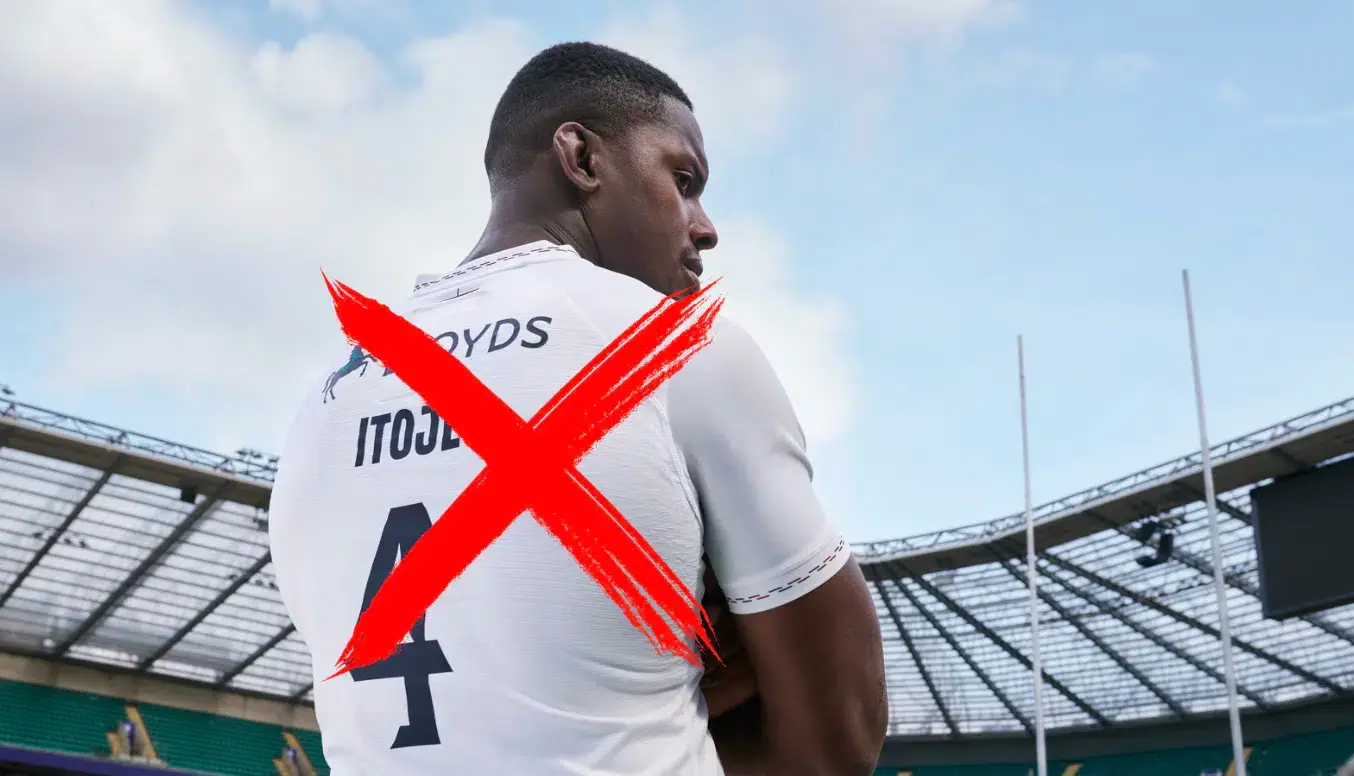
“The replacement of Maro Itoje is also puzzling. Jamie George is an experienced leader, but I believe that in the absence of injury it is preferable to keep your captain on for the full game.”
“As it turned out, the ending of Arundell’s 20-minute red card also appeared to have a knock-on effect when England made their forward substitutions. It was not until the 57th minute that England chose to change four forwards, by which time Scotland had scored four tries and gained a bonus point.”
EDITORS PICKS:
- Irish Rugby takes action after debutant suffers horrific racial abuse
- BBC Pundit Says He’ll “Sort Out” Six Nations Star After Live TV Chaos
- Ross Kemp played rugby for a Gallagher Prem club before East Enders fame
- Statement: England star cited after defeat against Scotland
- 2026 Six Nations Team Of The Week: Round Two



LATEST COMMENTS
Loading