One England star STRIPPED of central contract after falling out of favour under Steve Borthwick
Rugby NewsMonday, 11 August 2025 at 15:29

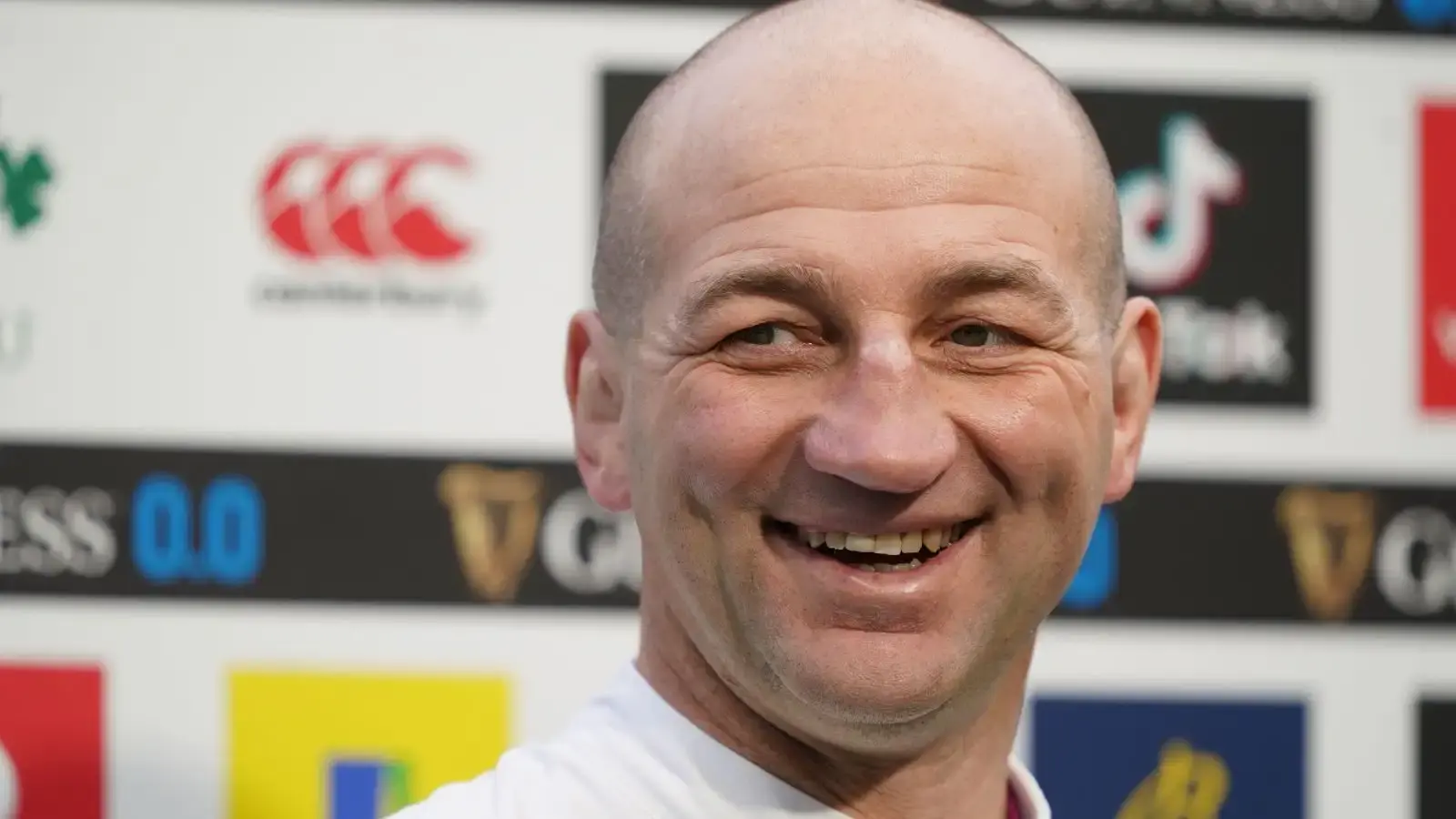
England Men’s head coach Steve Borthwick has named the 25 men who’ll receive enhanced Elite Player Squad contracts for 2025/26 — the prized deals that secure RFU control over player preparation and availability.
“I am pleased to name the players who will receive an enhanced EPS contract this season,” said Borthwick. “These contracts, together with our strong relationship with the Premiership clubs, will continue to play an important role in the ongoing development of England Rugby.”
Join the RUCK’s WhatsApp community here and get the latest news sent straight to your messages.
It’s a strong list — Genge, Itoje, Ford, Earl, the Smiths (Marcus and Fin) — but also a selection that raises eyebrows. Theo Dan is the only casualty, losing his deal after sliding down the hooker pecking order.
More surprising is who’s in: Henry Slade and Elliot Daly. Both will be 34 come the next Rugby World Cup, and while Daly has enjoyed a recent revival, Slade’s inclusion feels more like loyalty than future-proofing. For a coach who talks constantly about “building for the next four years,” it’s a curious call.
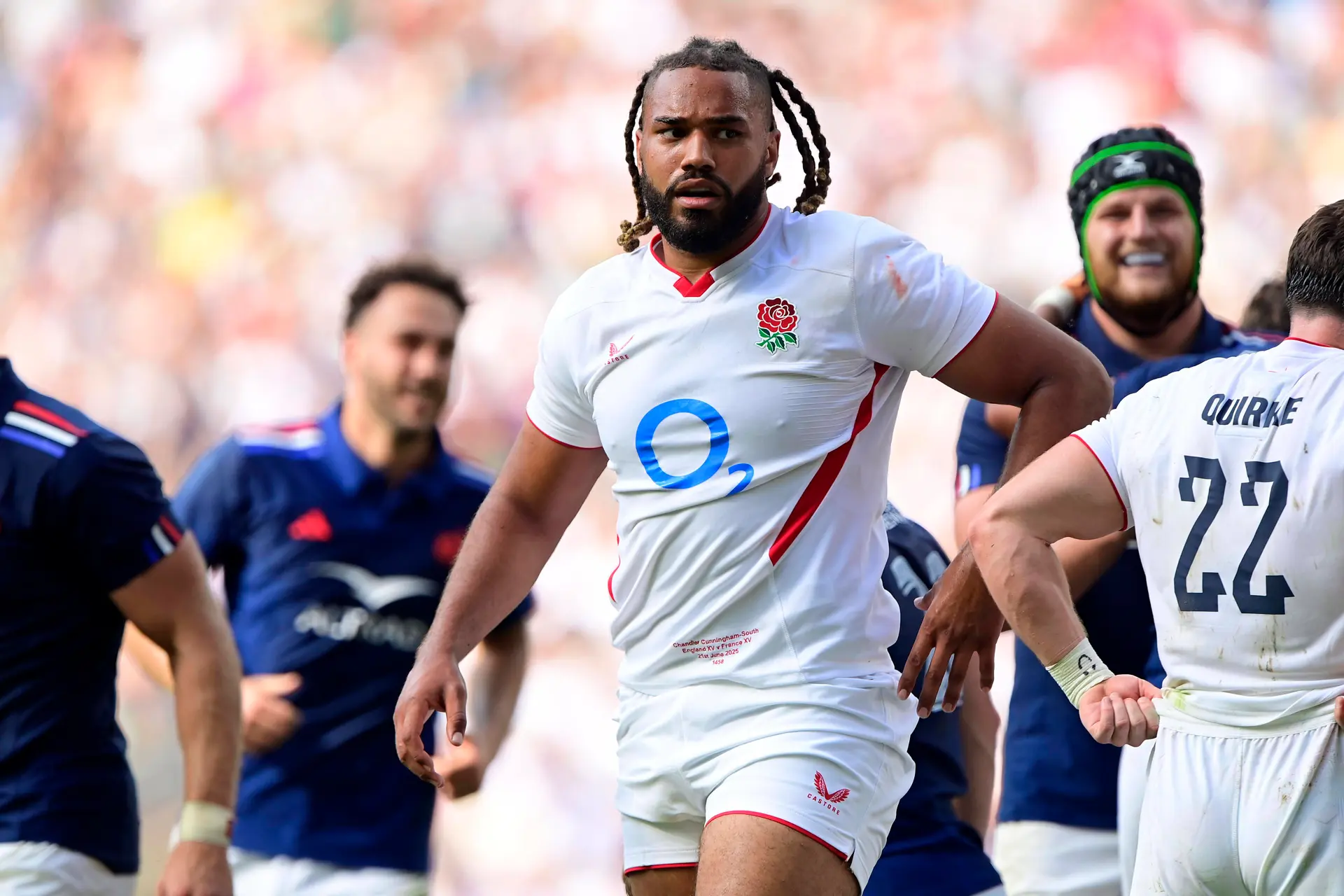
Even stranger is the absence of Chandler Cunningham-South. The versatile forward has been in England’s last 20 matchday squads and looked every bit an international in this summer’s Tests.
Given his ongoing lock-vs-back-row debate, you’d think the RFU would jump at the chance to shape his development more closely.
Instead, Borthwick’s 25 look like a squad set to win now — or at least to hold steady — rather than gamble on fresh blood. Perhaps that’s the point: England’s World Cup cycle is only just starting, but the coach clearly believes experienced heads will steady the ship. The risk? By 2027, those heads may be a little too experienced.
Winners & Losers
Winners:
- Marcus & Fin Smith — young talents with contracts that show faith in England’s future playmakers
- Maro Itoje & Ellis Genge — world-class stalwarts still fully trusted
- Elliot Daly — late-career revival rewarded
Losers:
Henry Slade — veteran inclusion raises questions about fresh blood opportunities
Theo Dan — only player to lose his central contract, a blow to Saracens and his England hopes
Chandler Cunningham-South — snubbed despite consistent matchday squad appearances and growth
England Men’s enhanced EPS contracts
Fin Baxter (Harlequins)
Ollie Chessum (Leicester Tigers)
Luke Cowan-Dickie (Sale Sharks)
Ben Curry (Sale Sharks)
Tom Curry (Sale Sharks)
Elliot Daly (Saracens)
Ben Earl (Saracens)
Immanuel Feyi-Waboso (Exeter Chiefs)
George Ford (Sale Sharks)
Tommy Freeman (Northampton Saints)
George Furbank (Northampton Saints)
Ellis Genge (Bristol Bears)
Jamie George (Saracens)
Joe Heyes (Leicester Tigers)
Maro Itoje (Saracens)
Ollie Lawrence (Bath Rugby)
George Martin (Leicester Tigers)
Alex Mitchell (Northampton Saints)
Henry Pollock (Northampton Saints)
Tom Roebuck (Sale Sharks)
Henry Slade (Exeter Chiefs)
Fin Smith (Northampton Saints)
Marcus Smith (Harlequins)
Will Stuart (Bath Rugby)
Tom Willis (Saracens)
EDITORS PICKS
- Andy Farrell’s youngest son could play for Ireland in the Six Nations
- Paul O’Connell Names One Opponent Who Gave Him Absolute Nightmares
- Newcastle target the signing of Alan Shearer’s future son-in-law
- Another New Zealand star is reportedly on his way to Newcastle Red Bulls
Updated 2027 Rugby World Cup Draw: England to Face Tournament Debutants
In a historic shift for the global game, Rugby World Cup 2027 in Australia will feature 24 teams, a bold move by World Rugby aimed at making the sport more inclusive, competitive, and truly global.
The tournament’s structure and timing now better reflect current global rankings, thanks to a late pool draw in December this year made possible by reforms in 2022.
Here’s a breakdown of the predicted groups and team bios for the RWC 2027:
? Group A
South Africa ??
The reigning world champions and four-time RWC winners, the Springboks bring a powerhouse blend of physicality, tactical brilliance, and iconic leadership.
The reigning world champions and four-time RWC winners, the Springboks bring a powerhouse blend of physicality, tactical brilliance, and iconic leadership.
Argentina ??
Los Pumas continue to rise as a Tier 1 nation, combining flair and fearlessness. Semifinalists in 2007 and 2015, they’re known for big-game upsets.
Los Pumas continue to rise as a Tier 1 nation, combining flair and fearlessness. Semifinalists in 2007 and 2015, they’re known for big-game upsets.
Samoa ??
With deep roots in rugby tradition, Samoa’s raw physicality and natural flair make them one of the most dangerous Tier 2 teams in the game.
With deep roots in rugby tradition, Samoa’s raw physicality and natural flair make them one of the most dangerous Tier 2 teams in the game.
Tonga ??
The ‘Ikale Tahi’ bring bone-crunching tackles and island pride. With several stars playing abroad, Tonga is always capable of springing a surprise.
The ‘Ikale Tahi’ bring bone-crunching tackles and island pride. With several stars playing abroad, Tonga is always capable of springing a surprise.
? Group B
New Zealand ??
The legendary All Blacks need no introduction—three-time world champions with a relentless pursuit of perfection and a legacy of innovation.
The legendary All Blacks need no introduction—three-time world champions with a relentless pursuit of perfection and a legacy of innovation.
Scotland ?
A Six Nations stalwart, Scotland blends tactical kicking and dynamic playmakers, looking to go beyond the quarterfinals for the first time since 1991.
A Six Nations stalwart, Scotland blends tactical kicking and dynamic playmakers, looking to go beyond the quarterfinals for the first time since 1991.
Japan ??
The Brave Blossoms became global darlings in 2019 with a stunning quarterfinal run. Expect lightning-quick rucks and passionate homegrown talent.
The Brave Blossoms became global darlings in 2019 with a stunning quarterfinal run. Expect lightning-quick rucks and passionate homegrown talent.
Chile ??
One of the emerging forces from South America, Chile made its first RWC appearance in 2023. Physical, proud, and improving fast.
One of the emerging forces from South America, Chile made its first RWC appearance in 2023. Physical, proud, and improving fast.
☘️ Group C
Ireland ??
The current Six Nations champions and long-time world number one, Ireland seek to finally break their quarterfinal curse with a golden generation.
The current Six Nations champions and long-time world number one, Ireland seek to finally break their quarterfinal curse with a golden generation.
Fiji ??
Masters of running rugby, Fiji’s offloading game and growing discipline under top-tier coaching make them a serious threat to any opponent.
Masters of running rugby, Fiji’s offloading game and growing discipline under top-tier coaching make them a serious threat to any opponent.
Spain ??
Los Leones are rapidly growing in the European rugby scene, blending speed and flair. Their qualification signals a new frontier for Spanish sport.
Los Leones are rapidly growing in the European rugby scene, blending speed and flair. Their qualification signals a new frontier for Spanish sport.
Romania ??
One of Europe’s oldest rugby nations, the Oaks are known for forward dominance and proud World Cup heritage dating back to the tournament's inception.
One of Europe’s oldest rugby nations, the Oaks are known for forward dominance and proud World Cup heritage dating back to the tournament's inception.
?? Group D
France ??
With dazzling backs and a rock-solid forward pack, Les Bleus are perennial contenders. Hosting in 2023 has reinvigorated their World Cup ambitions.
With dazzling backs and a rock-solid forward pack, Les Bleus are perennial contenders. Hosting in 2023 has reinvigorated their World Cup ambitions.
Italy ??
Improving steadily in the Six Nations, Italy combines young talent with seasoned veterans, eager to progress past the pool stage for the first time.
Improving steadily in the Six Nations, Italy combines young talent with seasoned veterans, eager to progress past the pool stage for the first time.
USA ??
The Eagles are building toward hosting the 2031 RWC, and 2027 will be a crucial stepping stone. Athleticism is abundant—structure is the next step.
The Eagles are building toward hosting the 2031 RWC, and 2027 will be a crucial stepping stone. Athleticism is abundant—structure is the next step.
Belgium ??
A surprise qualifier, Belgium’s Black Devils have risen thanks to domestic development and strategic coaching. This is their chance to make history.
A surprise qualifier, Belgium’s Black Devils have risen thanks to domestic development and strategic coaching. This is their chance to make history.
?☠️ Group E
England ?
The 2003 world champions remain a major force. With a powerful set piece and tactical nous, they always make deep runs in World Cups.
The 2003 world champions remain a major force. With a powerful set piece and tactical nous, they always make deep runs in World Cups.
Georgia ??
Kings of the scrum, Georgia has long pushed for inclusion in the Six Nations. 2027 could be their breakout year on the global stage.
Kings of the scrum, Georgia has long pushed for inclusion in the Six Nations. 2027 could be their breakout year on the global stage.
Uruguay ??
Los Teros have become a staple at RWCs and continue to punch above their weight, fueled by tenacity and growing domestic structures.
Los Teros have become a staple at RWCs and continue to punch above their weight, fueled by tenacity and growing domestic structures.
Hong Kong China ??
A fast-developing rugby nation, Hong Kong brings agility and speed. Their appearance in 2027 is a testament to Asia’s growing rugby footprint.
A fast-developing rugby nation, Hong Kong brings agility and speed. Their appearance in 2027 is a testament to Asia’s growing rugby footprint.
? Group F
Australia ?? (Host)
Two-time champions and hosts of RWC 2027, the Wallabies are looking to bounce back from recent struggles with the home crowd behind them.
Two-time champions and hosts of RWC 2027, the Wallabies are looking to bounce back from recent struggles with the home crowd behind them.
Wales ?
A proud rugby nation with three semifinal appearances, Wales combines tradition with explosive talent in the backline.
A proud rugby nation with three semifinal appearances, Wales combines tradition with explosive talent in the backline.
Portugal ??
The "Lobos" won hearts in 2023 with their fearless play. Technically sharp and fast-improving, they are no longer underdogs.
The "Lobos" won hearts in 2023 with their fearless play. Technically sharp and fast-improving, they are no longer underdogs.
Zimbabwe ??
Returning to the RWC stage for the first time in decades, Zimbabwe’s qualification marks a historic comeback for African rugby.
Returning to the RWC stage for the first time in decades, Zimbabwe’s qualification marks a historic comeback for African rugby.
?️ A Tournament of Opportunity
The expanded format ensures more nations, more stories, and more reasons to believe in rugby’s global mission. For some teams, it’s about lifting the Webb Ellis Cup. For others, it’s about making history, inspiring a new generation, and proving that rugby is for everyone, everywhere.
With Australia as the host—rugby-mad and world-class—the stage is set for the most inclusive Rugby World Cup ever.
TRENDING




LATEST NEWS
LATEST COMMENTS
Loading