New Eligibility Rule Reduces Foreign-Born Player Numbers in International Rugby
Rugby NewsWednesday, 11 February 2026 at 20:38
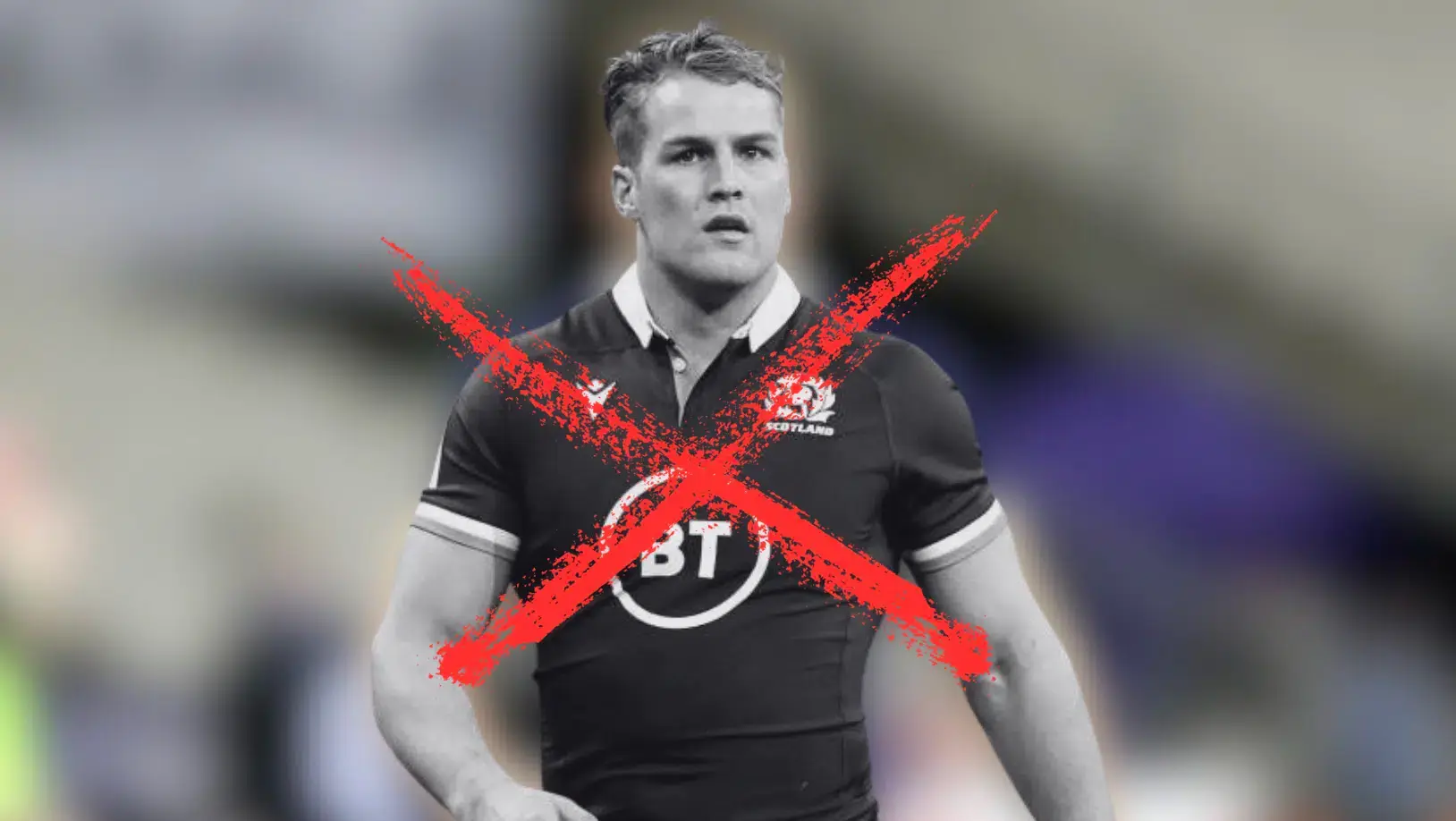

The residency requirement has officially increased from three years to five, meaning players who move countries as adults must now wait significantly longer before qualifying for their adopted nation.
In simple terms? The fast track is gone.
For Ireland, the shift is stark.
Join the RUCK’s WhatsApp community here and get the latest news sent straight to your messages.
Jamison Gibson-Park, Bundee Aki, James Lowe and Mack Hansen all relocated to Ireland as professional signings. Under the old three-year rule, they became eligible quickly and went on to play pivotal roles in green.
Under the new five-year threshold? At best their Test debuts would have been delayed. At worst, some may never have pulled on the jersey at all.
That represents a huge slice of Ireland’s foreign-born contingent in recent seasons — players who have been central to Six Nations titles and World Cup campaigns.
Scotland would also have felt the squeeze.
Pierre Schoeman and Duhan van der Merwe qualified via residency after moving from South Africa. Both became key figures in Edinburgh and then on the international stage — but both would have had to wait an additional two years under the current rules.
By contrast, Sione Tuipulotu qualifies through ancestry — his grandmother was born in Scotland — meaning the residency extension would not have applied.
What does it mean?
The days of rapid international reinforcements appear numbered. Nations that have benefitted from experienced imports may now need to double down on academy production and domestic pathways.
For Ireland and Scotland, it could mean fewer ready-made upgrades from abroad — and more pressure to develop from within.
World Rugby may not have trumpeted the change loudly, but its impact could quietly reshape the competitive balance for the next decade.
Poll:
HOME NATIONS RANKED BY FOREIGN-BORN PLAYERS:
ENGLAND (FIVE PLAYERS)
Immanuel Feyi-Waboso — born in Cardiff, Wales
Bevan Rodd — born in Dunoon, Scotland
Tom Roebuck — born in Inverness, Scotland
Sam Underhill — born in Dayton, Ohio, USA
Marcus Smith — born in Manila, Philippines
5 of the 36 players (about 14%) were born outside England, representing birthplaces in Wales, Scotland, the USA, and the Philippines.
WALES (FIVE PLAYERS)
Ben Carter — born in Crowborough, East Sussex, England
Taulupe Faletau — born in Tofoa, Tonga
Archie Griffin — born in Sydney, New South Wales, Australia
Danny Southworth — born in Barnstaple, England
Freddie Thomas — born in Gloucester, England
5 of the 36 players (about 14%) were born outside Wales, representing birthplaces in England, Tonga, and Australia.
IRELAND (EIGHT PLAYERS)
Bundee Aki — born in Auckland, New Zealand
Jamison Gibson‑Park — born in Great Barrier Island, New Zealand
James Lowe — born in Nelson, New Zealand
Mack Hansen — born in Canberra, Australia
Finlay Bealham — born in Canberra, Australia
Joe McCarthy — born in Manhattan, New York, USA
Cormac Izuchukwu — born in London, England
Ciarán Frawley — born in Sydney, Australia
8 of the 34 players (about 24%) were born outside Ireland, representing birthplaces in New Zealand, Australia, the USA, and England.
SCOTLAND (15 PLAYERS)
Fergus Burke — born in Gisborne, New Zealand
Sione Tuipulotu — born in Frankston, Victoria, Australia
Duhan van der Merwe — born in George, South Africa
Ben White — born in Stoke‑on‑Trent, England
Ewan Ashman — born in Toronto, Canada
Josh Bayliss — born in Tiverton, England
Jack Dempsey — born in Sydney, Australia
Nathan McBeth — born in Welkom, South Africa
Elliot Millar Mills — born in Stockport, England
Andy Onyeama‑Christie — born in Bristol, England
Pierre Schoeman — born in Mbombela (Nelspruit), South Africa
Kyle Steyn — born in Johannesburg, South Africa
15 of the 36 players (about 42%) were born outside Scotland, representing birthplaces in New Zealand, Australia, South Africa, England, and Canada.
EDITORS PICKS:
- England legend Matt Dawson finds love again after wife of 11 years
- Nicky Smith on ‘positive’ signs for Wales ahead of Los Pumas Test
- Ben Earl replaced at number 8 for England game to play Fiji
- Shaun Edwards among the favourites to be the next head coach of the Lions
- Manu Tuilagi set to play AGAINST England at the 2027 Rugby World Cup
TRENDING

LATEST NEWS
LATEST COMMENTS
Loading