
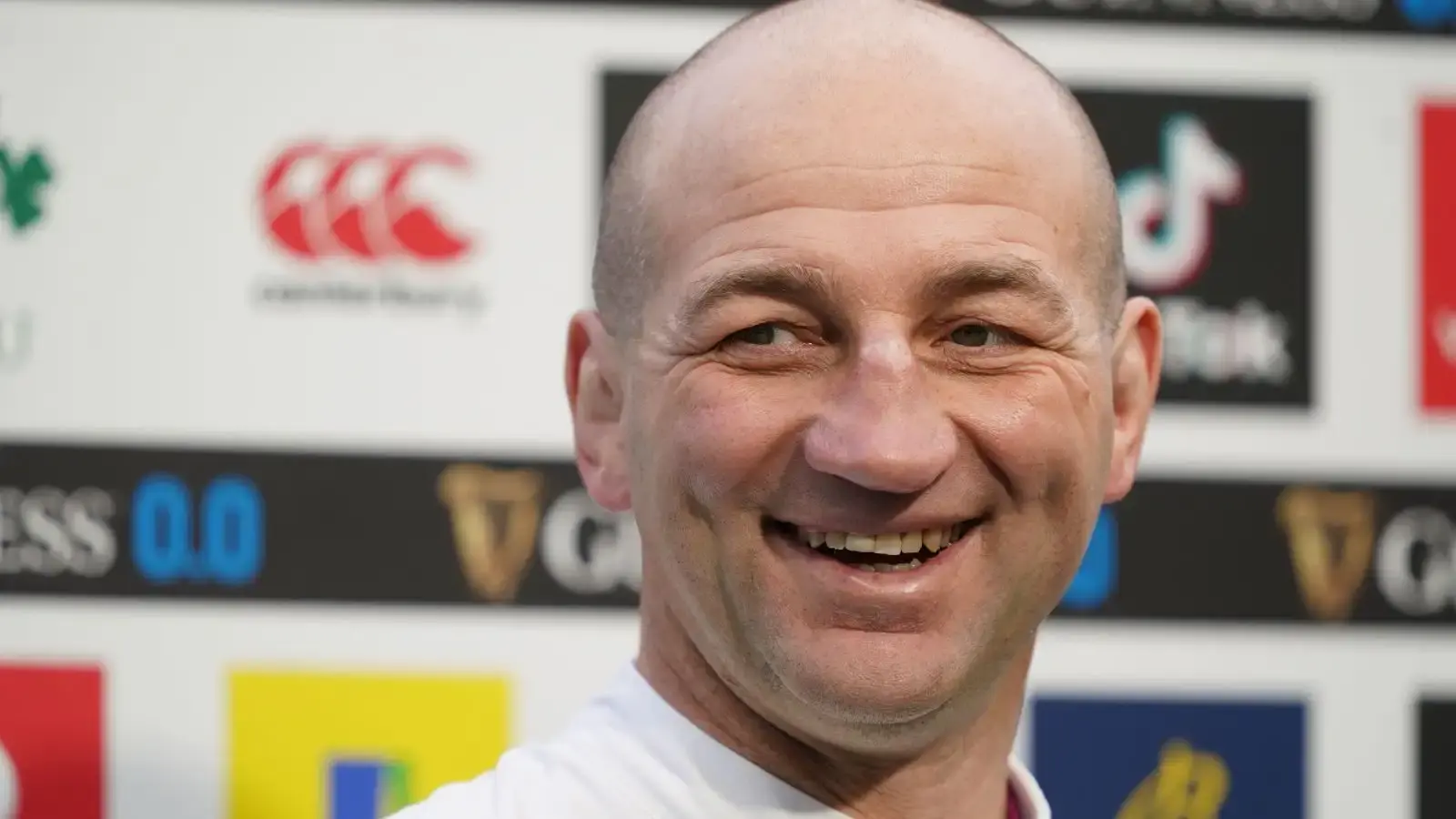
England’s disappointing Six Nations campaign has reignited debate about the national team’s leadership. With Steve Borthwick guiding England to just one win and three defeats, including a historic first loss to Italy in the competition, scrutiny has intensified around his tenure.
Watch the Guinness Six Nations at your local Greene King sports pub.
While the pressure is mounting on the current coach, England’s history shows he is far from the first head coach to endure a difficult spell in charge.
5 John Burgess
England’s least successful coaching stint belongs to John Burgess, who took charge of the national team for only a brief period in 1975.
His tenure lasted from January to May and included just six Test matches. England managed to win only one of those games, giving Burgess the lowest win percentage of any England coach to oversee more than five matches.
Before moving into coaching, he played club rugby for Old Salfordians and Broughton Park. Burgess later built his reputation while coaching Lancashire between 1968 and 1973, which ultimately led to his appointment with the national side.
Although his time with England was short and difficult, he remained a respected figure within the sport and later served as President of the Rugby Football Union between 1987 and 1988.
4 Steve Borthwick
When England appointed Steve Borthwick as head coach in December 2022, the decision was met with optimism. He had established himself as one of England’s most promising coaches after guiding Leicester Tigers to the Premiership title during the 2021 to 2022 season. His arrival followed the departure of Eddie Jones and was expected to usher in a new era for the national team.
The results, however, have been inconsistent. England enjoyed a 12 match winning run between 2025 and 2026, but that success has been overshadowed by disappointing performances in the Six Nations.
Borthwick’s tactical approach has drawn criticism from supporters who believe his conservative style does not suit the current squad. As results have dipped, calls for a change in leadership have grown louder among frustrated fans.
3 Stuart Lancaster
In the aftermath of the 2011 Rugby World Cup, England turned to Stuart Lancaster to rebuild the national side.
Initially appointed on an interim basis following Martin Johnson’s resignation, Lancaster was later given the role permanently in 2012 after guiding England to a second place finish in the Six Nations. Much of the early praise for his tenure focused on the cultural reset he brought to the team.
Lancaster placed a strong emphasis on discipline and professionalism, aiming to repair England’s reputation after the off field controversies of the previous World Cup. On the pitch, however, England often fell just short of major success.
The team finished second in the Six Nations for four consecutive seasons, while criticism grew around inconsistent midfield selections and the absence of a specialist openside flanker. His tenure ultimately ended in disappointment when England were eliminated in the group stage of the 2015 Rugby World Cup on home soil.
2 Andy Robinson
Following Clive Woodward’s departure in 2004, England looked to a familiar face to continue the success of the World Cup winning era.
Andy Robinson had served as forwards coach during the 2003 triumph and was widely considered a natural successor. He also brought extensive experience from his time coaching Bath and working with the British and Irish Lions.
Despite those credentials, Robinson struggled to maintain England’s previous standards. His side won only nine of the twenty two matches played during his tenure.
A series of poor results in 2006, including defeats against South Africa, increased pressure from supporters and the media. With criticism mounting and confidence fading, Robinson resigned in November 2006 and later cited a lack of support from the Rugby Football Union as a major factor in his departure.
1 Dick Greenwood
Few coaching spells in England rugby history produced as little success as the one overseen by Dick Greenwood.
Between 1983 and 1985, England played 17 matches under his leadership and managed to win just four. The disappointing results made the period one of the most difficult in the team’s history.
Greenwood had previously represented England as a player, earning five caps between 1966 and 1969 and captaining the side in his final appearance. After retiring he pursued coaching opportunities both at home and abroad.
He spent time on a Rugby Football Union coaching assignment in Kenya and later played for Rugby Roma in Italy before returning to England. Despite his varied background in the game, his tenure as England head coach ultimately delivered few memorable successes.
EDITORS PICKS:
TRENDING




LATEST NEWS
LATEST COMMENTS
Loading