"Beyond a joke" - Furious Nigel Owens slams ridiculous Six Nations decision
Rugby NewsSaturday, 08 March 2025 at 07:19
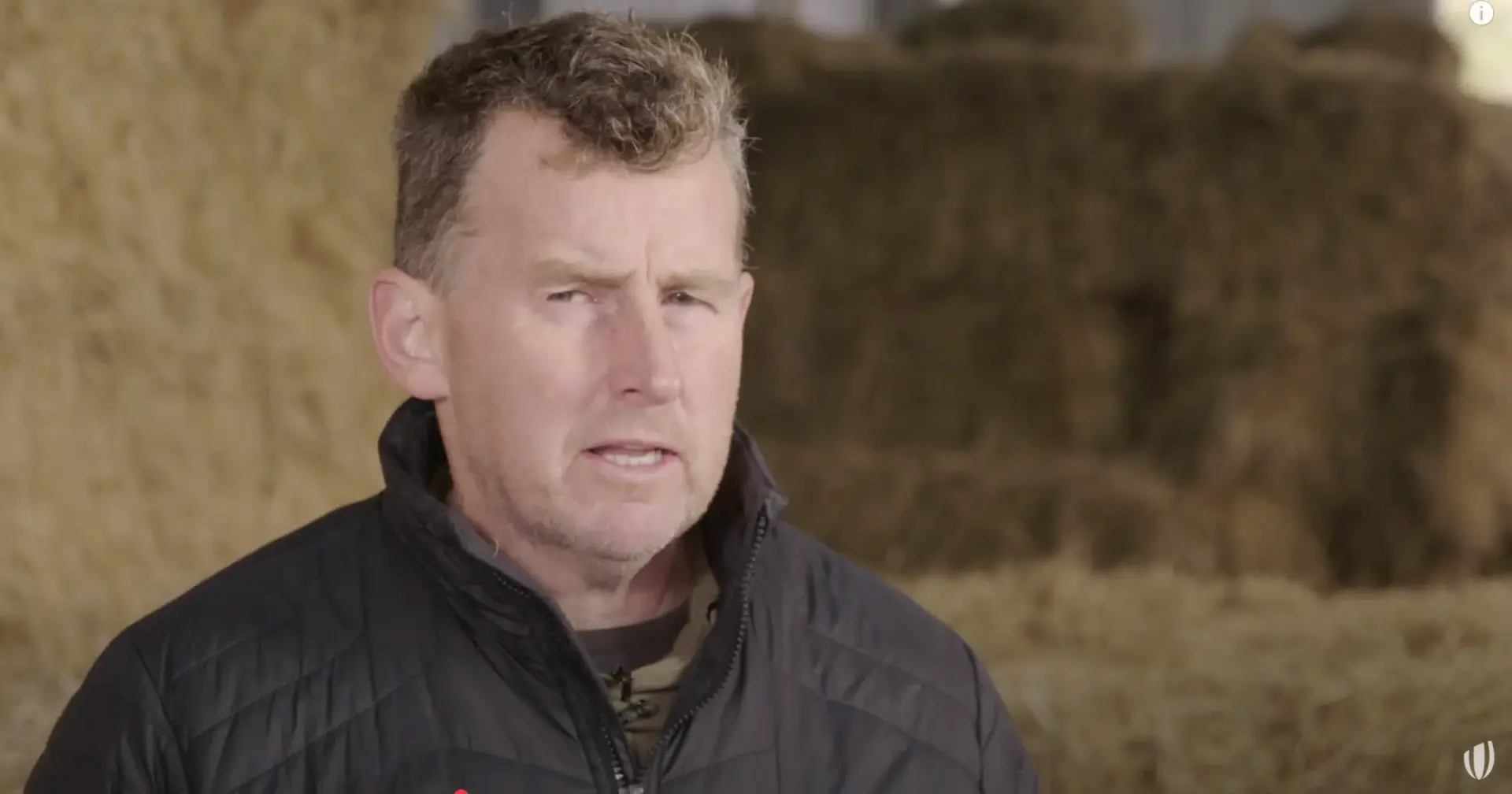

Former international referee Nigel Owens has strongly criticized the controversial 20-minute red card law being trialed in the Six Nations, calling the decision to limit Ireland’s numerical disadvantage following Garry Ringrose’s sending-off "beyond a joke."
Owens, known for his straight-talking analysis, weighed in on the fallout from Ringrose’s red card and subsequent ban after Ireland’s victory over Wales in Cardiff. The centre was dismissed for a high tackle on Ben Thomas, initially receiving a 20-minute red card under World Rugby’s trial laws. This allowed Ireland to replace him with Bundee Aki, who played a crucial role in securing their win.
Join our Breaking News and Top Stories WhatsApp community for all the latest news direct to your phone.
A contentious ban reduction
Ringrose was later handed a six-game suspension, but through mitigation, this was reduced to three matches, and further dropped to two after he agreed to attend World Rugby’s ‘tackle school.’ It then emerged that Leinster’s match against Cardiff counted towards his ban, meaning he ultimately missed just one match for Ireland.
Owens was unimpressed with how the situation played out, saying:
"The whole situation is beyond a joke, and, as you can imagine, I’ve been asked for my opinion on the matter on more than one occasion since the match."
The flaws of the 20-minute red card
Owens highlighted the fundamental issue with the law, arguing that while opinions differ on whether red cards ruin matches, World Rugby's stance on head contact means that Ringrose’s tackle was unquestionably a straight red.
"Whether people like it or agree with it or not, the way that the game is refereed at the moment and the way that World Rugby want head contact dealt with, means that the Ringrose incident is a straight red card. To be fair, most people watching - even the wonderful Irish supporters themselves - had no argument against it being a red card."
However, the introduction of the 20-minute red card significantly impacted the game’s outcome. Owens argued that had this been a standard red, Wales would have had a much higher chance of victory.
"I’m not saying that this definitely would have happened, but if that decision was given as a straight red card - as it would have been in last year's Six Nations - then in all probability Wales would have won that game. It would certainly have significantly increased their chances of doing so."
A lack of deterrent?
One of Owens’ main concerns is whether the 20-minute red card serves as a strong enough deterrent for dangerous play. With the trial law allowing a replacement after 20 minutes, Ireland ultimately suffered minimal consequences for an act that World Rugby deemed to warrant a lengthy suspension.
"What the game’s authorities want players to do is change their behaviour. They want players to come in low and do everything they can to avoid head contact, which obviously Ringrose did not do in this instance. By bringing in the 20-minute red card, does that actually mean there's enough of a deterrent there?"
He further questioned the fairness of allowing a team to return to full strength while an opposing side may lose a player to injury as a result of foul play.
"What if a player who is on the end of foul play - who may well be your best player - is forced off for the rest of the game and potentially out for a few weeks, while the team of the player who committed the offence is back to 15 men after 20 minutes?"
Owens reiterated his long-standing belief that rugby should focus on addressing accidental incidents rather than introducing new laws to maintain a 15-a-side contest.
"I have also said in the past that if an incident is unlucky, an unavoidable accident, then it shouldn’t be a red card. In my view, that is what needs addressing, not a 20-minute red card law to keep a game at 15-a-side."
With World Rugby continuing to trial the 20-minute red card, Owens’ comments highlight ongoing concerns about whether the rule is truly beneficial for player safety and the integrity of the game.
EDITORS PICKS:
- Win a trip to the 2025 Lions tour
- Pat Lam linked with surprise international coaching job
- Join Greene King for the Six Nations
- 2025 Six Nations Title permutations: How England can still win
- Will Greenwood picks uncapped England star as his Lions bolter
Bookies Predict the Lions XV to Face Australia – Two England Players Start
Bookmakers have released their predictions for the British & Irish Lions' starting XV to face Australia in the 2025 tour, highlighting a squad dominated by Irish talent and featuring only one English starter.
The anticipated lineup, along with the latest odds for each position, is as follows:
Forwards
1. Andrew Porter (Ireland) – 1/2
A converted loosehead prop who started his career as a tighthead, Porter is a cornerstone of Ireland’s pack with his powerful scrummaging and relentless work rate around the pitch.
2. Dan Sheehan (Ireland) – 3/10
One of the most dynamic hookers in world rugby, Sheehan offers explosive ball-carrying ability and strong set-piece play. He has become a key figure in Ireland’s recent successes.
3. Tadhg Furlong (Ireland) – 8/13
Arguably the best tighthead prop in the game, Furlong is known for his scrummaging dominance and remarkable skills in open play, often moving like a back despite his size.
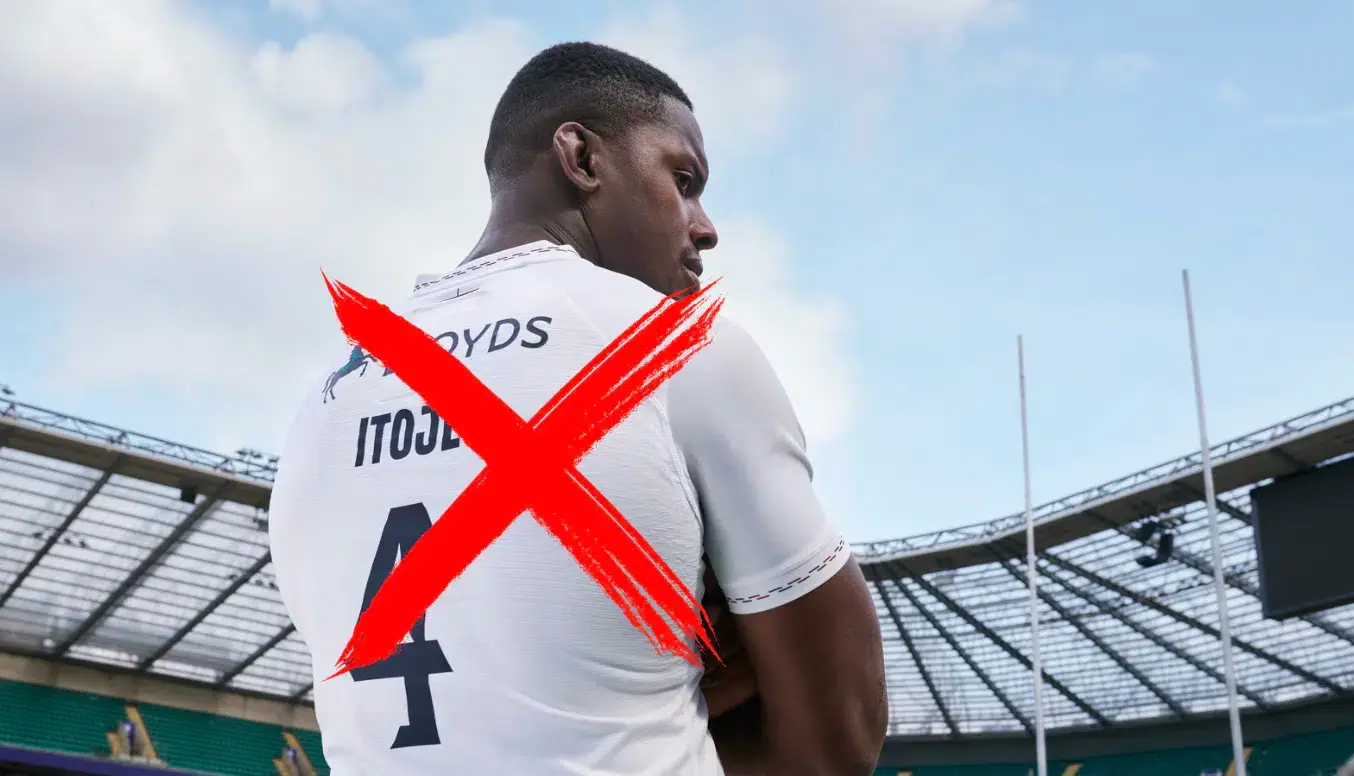
4. Maro Itoje (England) – 1/5
The only Englishman in the starting XV, Itoje is a world-class lock with exceptional athleticism, lineout expertise, and a knack for disrupting opposition attacks. A Lions veteran, he’ll be vital for the tour.
5. Joe McCarthy (Ireland) – 1/2
A rising star in Irish rugby, McCarthy has made a huge impact with his physicality and work rate in Leinster’s second row. He’s quickly becoming a dominant force in European rugby.
6. Josh van der Flier (Ireland) – 1/3
The 2022 World Player of the Year, Van der Flier is an outstanding openside flanker with relentless tackling, breakdown skills, and an ability to pop up in crucial moments.
7. Ben Earl (England) – 4/9
England’s standout forward in recent tournaments, Earl’s dynamic ball-carrying, high work rate, and speed make him a perfect fit for the Lions’ back row.
8. Caelan Doris (Ireland) – 1/4
One of the best No.8s in world rugby, Doris combines intelligence, strength, and leadership. His ball-carrying ability and defensive prowess make him an essential selection.
Backs
9. Jamison Gibson-Park (Ireland) – 1/3
Originally from New Zealand, Gibson-Park has revolutionized Ireland’s attack with his fast tempo and crisp distribution. His quick decision-making will be key in Australia.
10. Finn Russell (Scotland) – 1/4
A mercurial fly-half known for his creativity, pinpoint kicking, and unpredictable attacking play, Russell is the X-factor the Lions will need to unlock Australia’s defence.
11. James Lowe (Ireland) – 1/8
A powerful winger with a cannon of a left boot, Lowe has been a game-changer for Ireland, providing pace, physicality, and superb finishing ability.
12. Bundee Aki (Ireland) – 1/5
One of the most destructive centres in world rugby, Aki blends power with slick handling and defensive solidity. His recent form makes him a nailed-on Lions starter.
13. Huw Jones (Scotland) – 1/2
A classy centre with a sharp rugby brain, Jones is known for his attacking lines, pace, and ability to break defences. He has returned to top form for Scotland.
14. Duhan van der Merwe (Scotland) – 1/16
A giant winger with terrifying pace and strength, Van der Merwe has been a try-scoring machine for Scotland and was one of the stars of the 2021 Lions tour.
15. Hugo Keenan (Ireland) – 1/5
One of the most consistent full-backs in world rugby, Keenan is rock solid under the high ball, defensively sound, and a dangerous attacking threat.
This projection underscores Ireland's strong presence, with ten players expected to start, reflecting their recent dominance in international rugby. Scotland contributes three players, notably in key backline positions, while England's representation is limited to Maro Itoje in the forwards.
The selection process for the Lions is always a topic of intense debate, influenced by players' form, fitness, and performances in the lead-up to the tour. As the 2025 tour approaches, these odds may shift, especially with upcoming international fixtures and domestic competitions providing players with opportunities to stake their claims.
Note: The odds presented are based on current bookmaker predictions and are subject to change as the tour date nears.
RUGBY QUIZ:
Think you know your Six Nations history? Test your knowledge and see if you can prove them wrong!
MORE QUIZZES
TRENDING


LATEST NEWS
LATEST COMMENTS
Loading