Andy Farrell Weighs in on English Anthem as Maro Itoje Refuses to Sing It
Rugby NewsSaturday, 08 February 2025 at 13:05

, examines the composition of various national teams, shedding light on the number of foreign-born players and how they qualify for their respective squads.
The debate around England’s iconic rugby anthem
Swing Low, Sweet Chariot continues to spark controversy.
Find your local Greene King and settle in for the 2025 Six Nations!
While Ireland head coach Andy Farrell reminisces about its role in English rugby culture, England star Maro Itoje has chosen to distance himself from the song, citing its troubling origins.
Join our Breaking News and Top Stories WhatsApp community for all the latest news direct to your phone.
Maro Itoje Takes a Stand
Speaking to French newspaper L’Equipe, the England lock revealed his personal decision to stop singing the anthem, which he once embraced without understanding its history.
Speaking to French newspaper L’Equipe, the England lock revealed his personal decision to stop singing the anthem, which he once embraced without understanding its history.
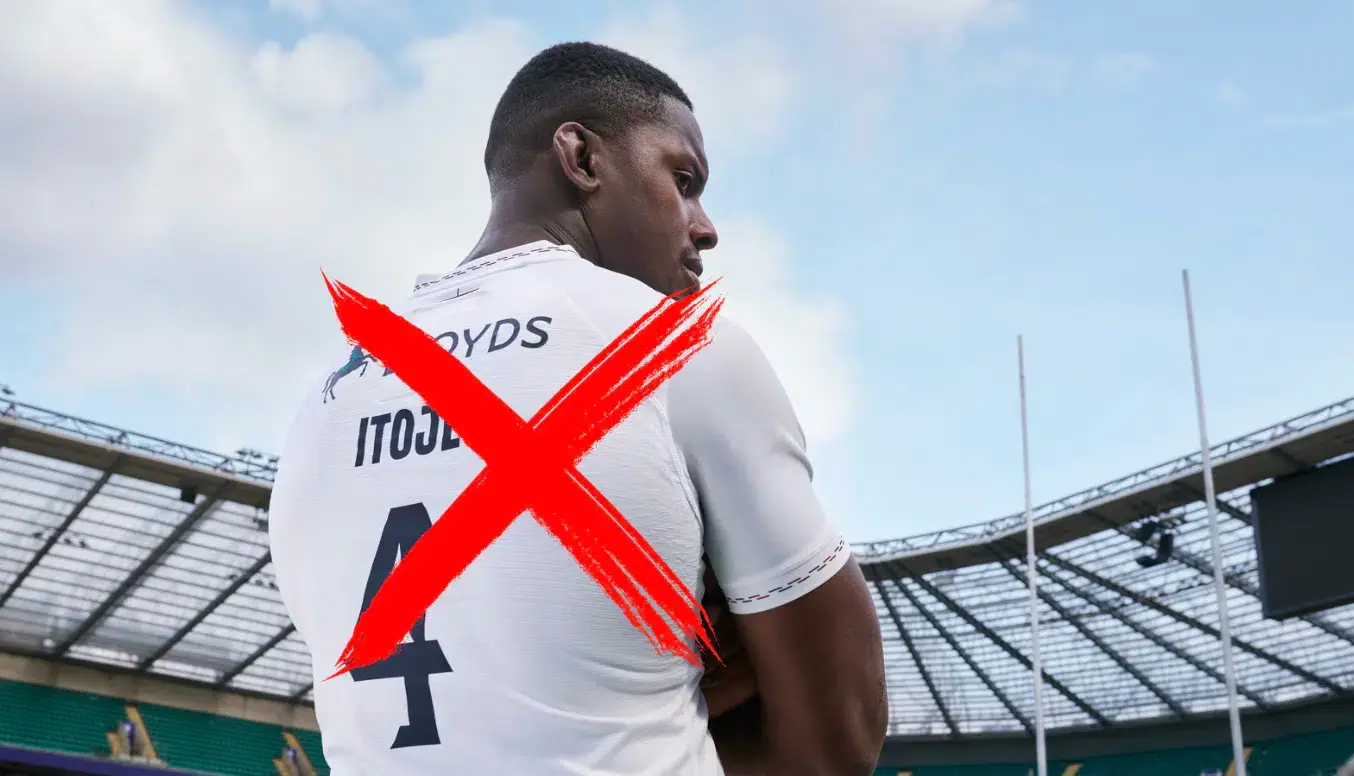
“I’m not going to tell people what they should or shouldn’t do but, personally, I won’t sing this song anymore,” Itoje explained.
“I sang it before when I was naive and didn’t know its origins, but knowing now the context in the creation of Swing Low, Sweet Chariot, it’s not an anthem that I’m going to repeat anymore.”
Despite his choice, Itoje was quick to point out that he doesn’t believe in banning the song, allowing fans to decide for themselves whether to keep it alive in Twickenham’s stands.
RFU Reviews the Song’s History
Itoje’s comments follow an assessment by the Rugby Football Union (RFU), which examined the song’s roots after concerns about its historical context were raised. While Swing Low, Sweet Chariot has become synonymous with England rugby, the RFU recognized that many fans remain unaware of its origins as an American slave spiritual. Written around the 1860s by Wallace Willis, a slave in the United States, the song was a heartfelt expression of hope and longing for freedom.
Itoje’s comments follow an assessment by the Rugby Football Union (RFU), which examined the song’s roots after concerns about its historical context were raised. While Swing Low, Sweet Chariot has become synonymous with England rugby, the RFU recognized that many fans remain unaware of its origins as an American slave spiritual. Written around the 1860s by Wallace Willis, a slave in the United States, the song was a heartfelt expression of hope and longing for freedom.
Farrell Reflects on Its Cultural Role
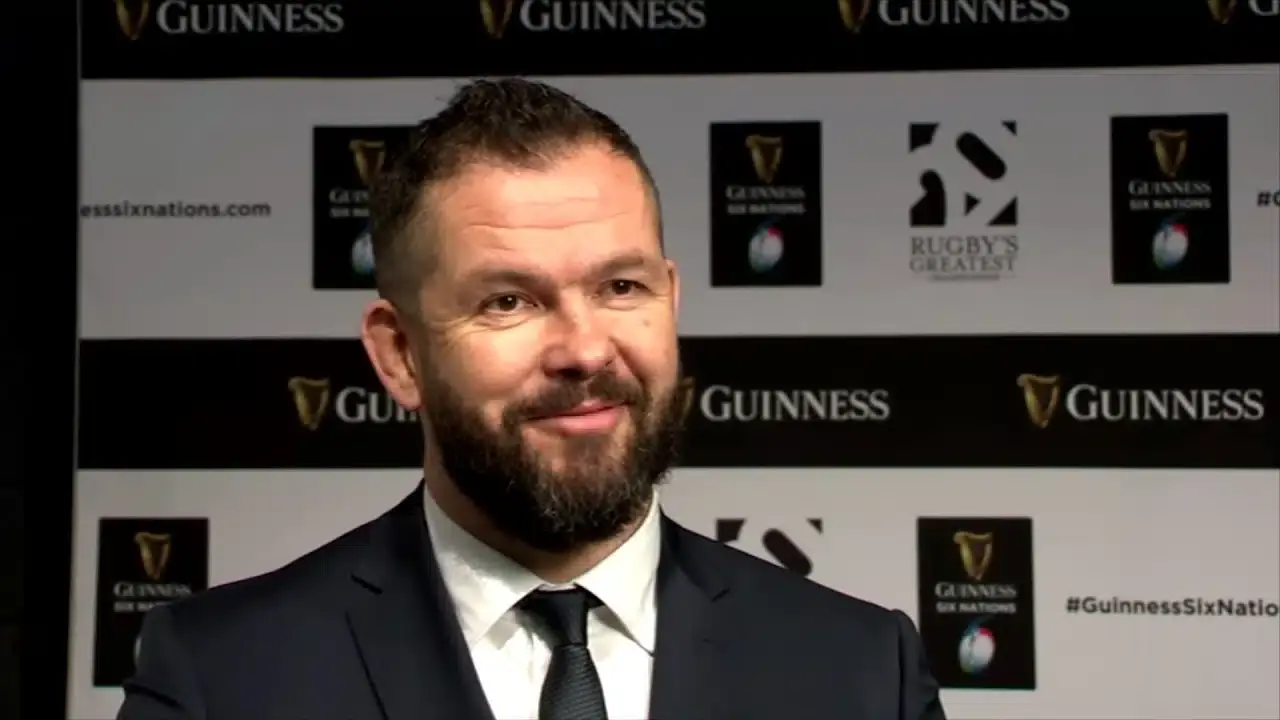
Andy Farrell, now leading Ireland’s rugby team, offered a contrasting view. The former England assistant coach spoke fondly of the anthem’s significance during his time with the team, viewing it as a unifying symbol for players and fans alike.
Andy Farrell, now leading Ireland’s rugby team, offered a contrasting view. The former England assistant coach spoke fondly of the anthem’s significance during his time with the team, viewing it as a unifying symbol for players and fans alike.
“It was part of our identity, this is part of English rugby,” Farrell said. “You know, wherever you are around the world with England rugby, you would hear it and you feel like people of the country are behind you.”
How ‘Swing Low’ Became a Rugby Anthem
The anthem first resonated with rugby crowds in 1987, when Martin "Chariots" Offiah lit up the Middlesex Sevens tournament with his electric pace, sparking fans to chant the song in celebration. The following year, it gained even more traction during England’s match against Ireland, where Chris Oti’s hat-trick inspired a spirited rendition from the stands.
The anthem first resonated with rugby crowds in 1987, when Martin "Chariots" Offiah lit up the Middlesex Sevens tournament with his electric pace, sparking fans to chant the song in celebration. The following year, it gained even more traction during England’s match against Ireland, where Chris Oti’s hat-trick inspired a spirited rendition from the stands.
EDITORS PICKS:
- Son of England legend ditches dad’s nation to play for France ahead of Six Nations showdown
- Alan Shearer’s daughter is marrying England Rugby star
- Scotland vs Ireland referee is hated by former England boss Eddie Jones
- Statement: RFU confirms they plan to reduce the capacity of Allianz Stadium (Twickenham)
- Immanuel Feyi-Wabaso makes shock return to the England squad
UPDATED: Foreign-born players in the 2025 Six Nations
The Six Nations is always a showcase of top-tier talent, but not every player pulls on their nation's jersey having been born there.
With eligibility rules allowing selections through ancestry, residency, or other pathways, squads feature a fascinating mix of homegrown stars and those who developed their skills elsewhere before qualifying for their adopted countries.
The following breakdown, based on data compiled by Americas Rugby News
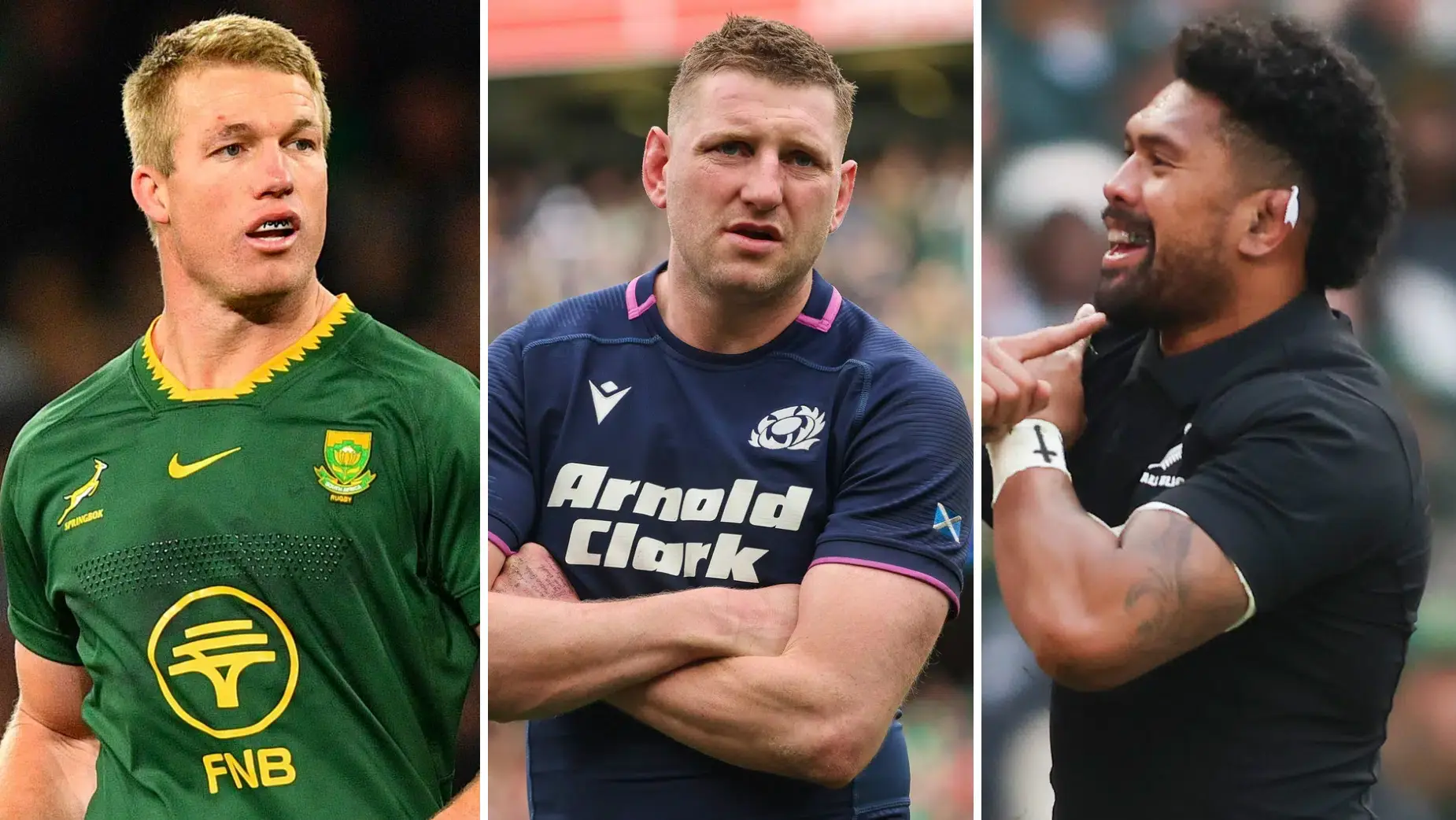
This international blend underlines rugby’s global nature, with some nations leaning on overseas-born talent more than others. Ahead of round two, we've broken down the squads – and Scotland lead the way by a mile when it comes to foreign-born players.
ENGLAND
HOMEGROWN PLAYERS: 39/41 (95.2%)
FOREIGN-BORN PLAYERS: 3/41 (7.3%)
FOREIGN-BORN PLAYERS: 3/41 (7.3%)
- Bevan Rodd (Scotland) - Parent
- Chandler Cunningham-South (England) - Born in England
- Harry Randall (England) - Born in England
- Marcus Smith (Philippines) - Parent
- Tom Roebuck (Scotland) - Parent
FRANCE
HOMEGROWN PLAYERS: 39/42 (92.8%)
FOREIGN-BORN PLAYERS: 6/42 (14.2%)
FOREIGN-BORN PLAYERS: 6/42 (14.2%)
- Dany Priso (Cameroon) - Residency (2008)
- Uini Atonio (New Zealand) - Residency (2014)
- Giorgi Beria (Georgia) - Residency (2002)
- Joshua Brennan (Ireland) - Residency (2005)
- Emmanuel Meafou (New Zealand) - Residency (2023)
- Émilien Gailleton (England) - Parent
IRELAND
HOMEGROWN PLAYERS: 30/36 (83.3%)
FOREIGN-BORN PLAYERS: 9/36 (25%)
FOREIGN-BORN PLAYERS: 9/36 (25%)
- Rob Herring (South Africa) - Grandparent
- Finlay Bealham (Australia) - Grandparent
- Cormac Izuchukwu (England) - Parent
- Joe McCarthy (USA) - Parent
- Jamison Ratu Gibson-Park (New Zealand) - Residency (2020)
- Bundee Aki (New Zealand) - Residency (2017)
- Ciarán Frawley (Australia) - Parent
- Mack Hansen (Australia) - Parent
- James Lowe (New Zealand) - Residency (2020)
ITALY
HOMEGROWN PLAYERS: 21/31 (67.7%)
FOREIGN-BORN PLAYERS: 9/31 (29.0%)
FOREIGN-BORN PLAYERS: 9/31 (29.0%)
- Dino Lamb-Cona (England) - Parent
- Sebastian Negri (Zimbabwe) - Parent
- Ross Vintcent (South Africa) - Grandparent
- Martin Page-Relo (France) - Grandparent
- Stephen Varney (Wales) - Parent
- Juan Ignacio Brex (Argentina) - Grandparent
- Montana Ioane (Australia) - Residency (2020)
- Ange Capuozzo (France) - Parent
- Matt Gallagher (England) - Parent
SCOTLAND
HOMEGROWN PLAYERS: 25/42 (58,1.3%)
FOREIGN-BORN PLAYERS: 18/43 (44.1%)
FOREIGN-BORN PLAYERS: 18/43 (44.1%)
- Pierre Schoeman (South Africa) - Residency (2021)
- Ewan Ashman (Canada) - Parent
- Dylan Richardson (South Africa) - Parent
- Will Hurd (England) - Grandparent
- Cameron Henderson (Hong Kong) - Parent
- Ewan Johnson (England) - Parent
- Marshall Sykes (England) - Grandparent
- Josh Bayliss (England) - Grandparent
- Jack Dempsey (Australia) - Grandparent
- Alexander Masibaka (Australia) - Parent
- Ben White (England) - Grandparent
- Fergus Burke (New Zealand) - Grandparent
- Tom Jordan (New Zealand) - Residency (2024)
- Rory Hutchinson (England) - Grandparent
- Sione Tuipulotu (Australia) - Grandparent
- Arron Reed (England) - Parent
- Kyle Rowe (England) - Cumulative Residency
- Duhan van der Merwe (South Africa) - Residency (2020)
WALES
HOMEGROWN PLAYERS: 26/34 (76.4%)
FOREIGN-BORN PLAYERS: 10/34 (29.4%)
FOREIGN-BORN PLAYERS: 10/34 (29.4%)
- WillGriff John (England) - Parent
- Henry Thomas (England) - Parent
- Will Rowlands (England) - Parent
- Freddie Thomas (England) - Grandparent
- Christ Tshiunza (DR Congo) - Residency (2015)
- James Botham (Wales) - Born in Wales
- Taulupe Faletau (Tonga) - Residency (2001)
- Ellis Bevan (England) - Parent
- Nick Tompkins (England) - Grandparent
- Blair Murray (New Zealand) - Parent
- Ellis Mee (England) - Parent
TRENDING


LATEST NEWS
LATEST COMMENTS
Loading

