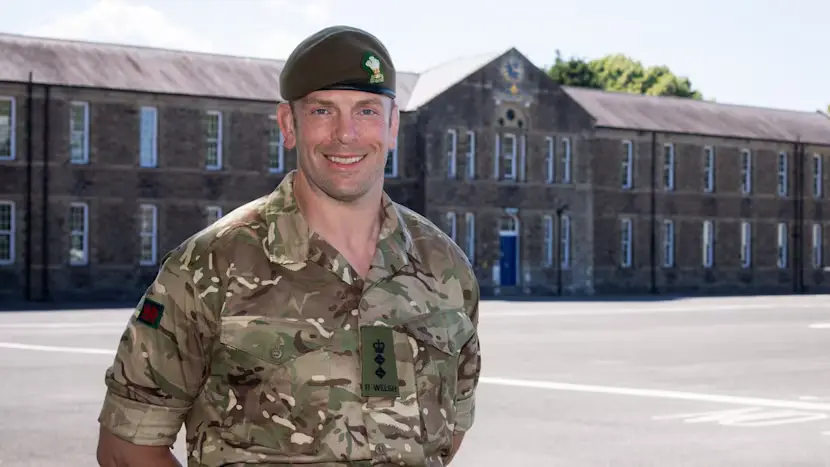
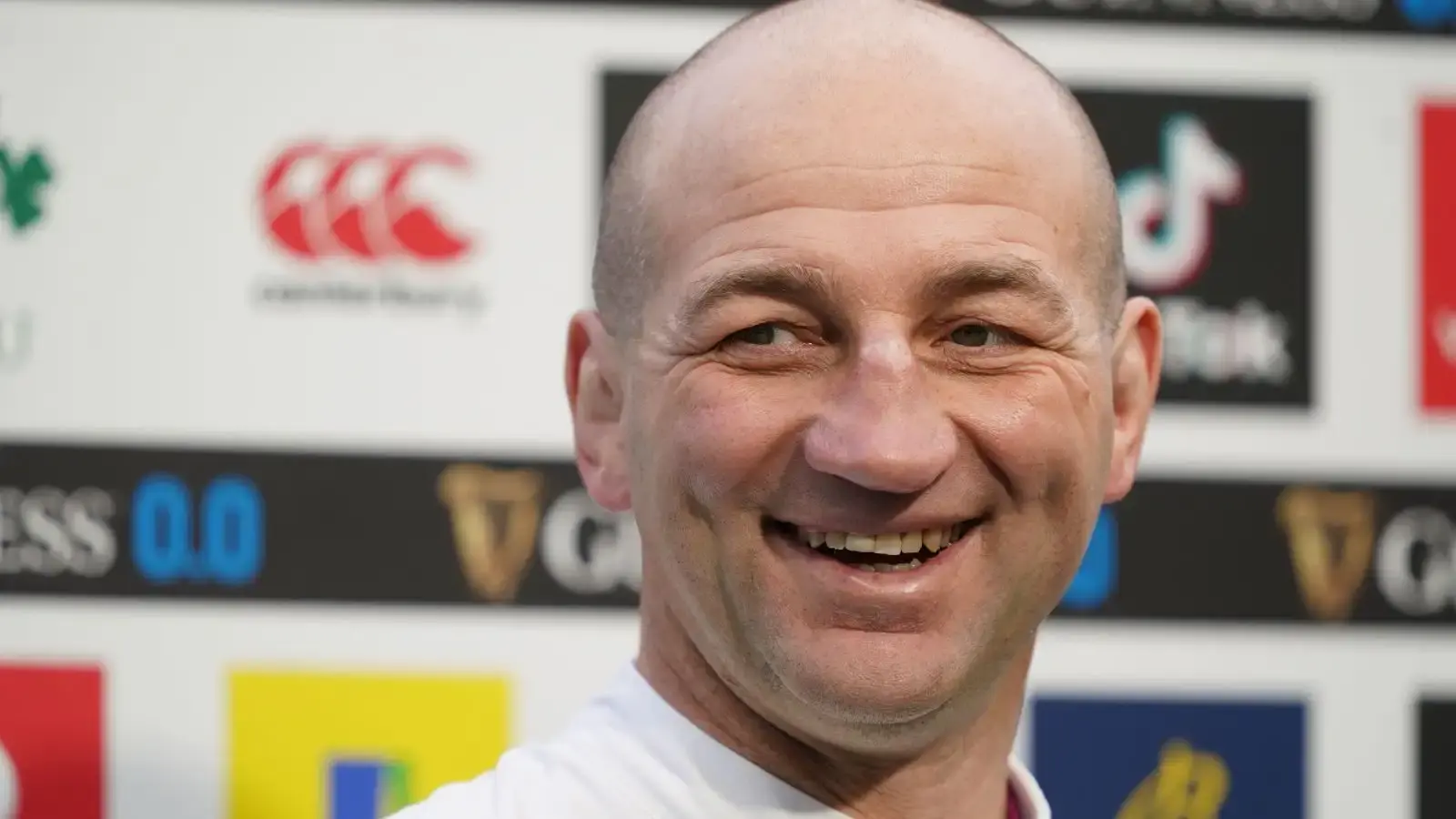
Wales icon Alun Wyn Jones was named Honorary Colonel of the 3rd Battalion, The Royal Welsh — an appointment personally signed off by His Majesty King Charles III.
Watch the Guinness Six Nations at your local Greene King Sports Pub. The legendary lock, rugby’s most capped player with a staggering 170 Test appearances for Wales and the British & Irish Lions, now trades the engine room for a ceremonial command role — extending his leadership long after his final whistle.
Jones, who first captained Wales in the 2009 Six Nations clash against Italy, is one of only four players to be selected on four separate Lions tours, earning 12 Lions caps between 2009 and 2021.
Now, in his latest chapter, he will use that same world-class leadership to inspire soldiers across Wales.
In his new ceremonial role, the former Ospreys stalwart will act as a figurehead and ambassador, guiding and motivating both current and future members of The Royal Welsh.
He steps into the role following the departure of Brigadier Russ Wardle OBE DL, who held the position with distinction for over a decade.
Colonel of the Regiment, Major General Chris Barry CBE, paid tribute to both men:
“I am proud to welcome Alun Wyn Jones to the Regimental family as the Honorary Colonel of 3rd Battalion The Royal Welsh – a position that has been personally approved by our Colonel in Chief, King Charles III.
“It is an honour for us to bring into the fold a true Welsh warrior, who has served and led the national rugby team of Wales and The British and Irish Lions and the most capped rugby player in history.
“We now look forward to building a long-lasting, two-way relationship between our 3rd Battalion and Alun Wyn Jones.
“The Regimental Headquarters, on behalf of all ranks of The Royal Welsh, would like to thank the outgoing Honorary Colonel of 3 Royal Welsh, Brigadier Russ Wardle OBE DL, for more than 11 years of outstanding leadership and service to the Regimental family. We wish him all the very best for the future.”
EDITORS PICKS:
Six Nations Stadiums Ranked 6-1: Worst Atmosphere to Best
Here, we rank the Six Nations stadiums from worst atmosphere to best, judging crowd noise, fan engagement and big-game presence to determine which venue rises above the rest.
Join RUCK’s Instagram broadcast channel and get the latest rugby news straight to your phone. Six Nations Stadiums (Ranked 6-1)
6 Aviva Stadium (Ireland)
Despite being one of the most modern venues in the Six Nations, the Aviva Stadium often struggles to generate a consistent atmosphere. Over the past decade, this issue has become increasingly noticeable, largely due to the growing number of corporate tickets. As a result, the once-passionate partisan edge has softened, with noise coming from isolated pockets rather than the stadium as a whole.
Iconic chants such as Fields of Athenry are now rarely sustained, and the all-seater design has removed the raw energy once provided by terraces. Ireland’s recent success, built on an efficient and pragmatic playing style, may also play a role — effective, but not always electrifying. Combined with a shift towards a more family-oriented crowd, the Aviva’s atmosphere often feels subdued compared to its Six Nations counterparts.
5 Stadio Olimpico (Italy)
Originally built for athletics and football, the Stadio Olimpico was never designed with rugby in mind. Since Italy’s inclusion in the Six Nations in 2000, however, it has served as the Azzurri’s home, offering a unique setting beneath Rome’s iconic skyline.
Italian fans are loyal and passionate, but frequent defeats mean they often have limited moments to fully unleash their support. This lack of sustained success keeps the atmosphere from reaching higher levels. That said, the backing is unquestionably partisan, and with signs of improvement in the Italian squad, the volume may well increase in the years to come.
4 Allianz Stadium (England)
Twickenham, the self-proclaimed “Home of Rugby,” is steeped in history and tradition. As the largest dedicated rugby stadium in the world, it has hosted countless iconic moments and remains a cathedral of the sport.
However, atmosphere-wise, it can be inconsistent. While the crowd is capable of lifting the roof — particularly during renditions of Swing Low, Sweet Chariot — long stretches of games can feel surprisingly flat. High ticket prices and a more reserved crowd culture often dampen the overall intensity, leaving Twickenham just short of the very best in this ranking.
3 Stade de France (France)
The Stade de France is an imposing arena, both in size and reputation. Built for the 1998 FIFA World Cup, it is the largest stadium in the Six Nations and can be a daunting place to visit when France are firing.
That said, its sheer scale can sometimes work against it. Noise doesn’t always travel as well, and while the atmosphere can be hostile for away supporters, it often lacks the constant ferocity seen at French club grounds. When the crowd is fully engaged and Les Bleus are in full flow, the stadium can rival any in world rugby — but that level isn’t always sustained.
2 Murrayfield (Scotland)
Few moments in rugby rival the emotion of Flower of Scotland at Murrayfield, particularly when the bagpipes fall silent and the crowd carries the anthem a cappella. It’s a spine-tingling experience that sets the tone long before kick-off.
The stadium has a welcoming, good-natured feel, with visiting fans embraced and banter flowing freely — a key ingredient in building atmosphere. Murrayfield’s design amplifies sound, ensuring every big hit, kick, and turnover is met with a roar. Despite modern upgrades, it has retained its soul, delivering an old-school, fiercely passionate rugby environment.
POLL:
1 Principality Stadium (Wales)
Even during challenging periods on the pitch, Welsh support remains unmatched. The Principality Stadium, particularly with the roof closed, becomes a deafening cauldron of noise, driven by mass singing and an overwhelming sense of unity.
Legends of the game such as Dan Carter and Paul O’Connell have praised its intensity, often describing it as one of the most intimidating and authentic venues in world rugby. With fans right on top of the action and a nation where rugby is woven into the cultural fabric, the atmosphere is immersive from start to finish.