2026 Nations Championship fixtures confirmed: England handed nightmare start
Rugby NewsWednesday, 14 January 2026 at 19:00
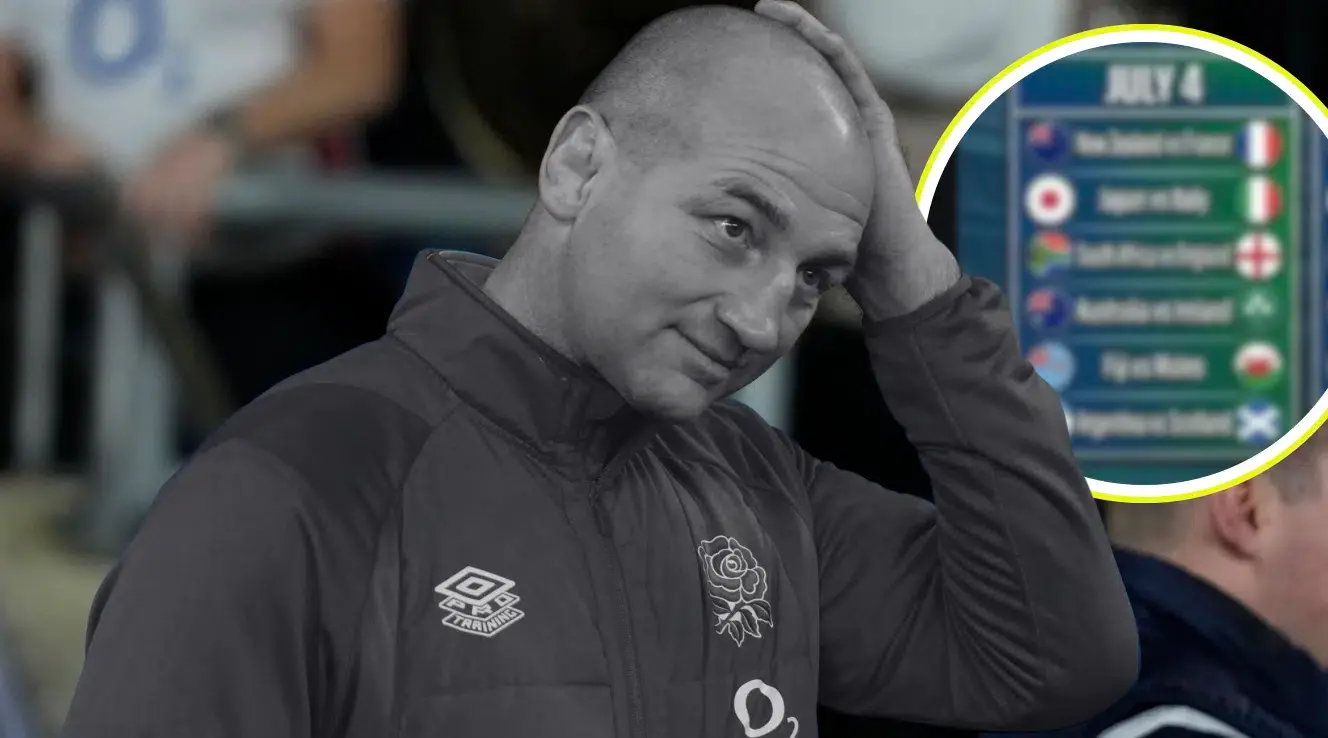

The fixtures for the 2026 Nations Championship have been officially confirmed, and England have been dealt a daunting opening to their campaign.
Fierce cross hemisphere rivalries will be put on the global stage when the Nations Championship debuts in July 2026. A landmark joint venture agreed between Six Nations Rugby and SANZAAR, to create the new biennial tournament, signals a watershed moment for rugby union, years in the making.
and get the latest rugby news straight to your phone.
The Nations Championship creates a competitive tournament format, injecting jeopardy and context into every fixture, on the way to crowning a tournament Champion, and deciding the dominant Hemisphere in the sport that year.
Ratified by World Rugby Council in 2023, the introduction of the Nations Championship is part of a broader package of reform to the global rugby calendars, which have been shaped by members from across the whole sport: unions, federations, clubs, leagues, tournament organisers, players and their associations, and World Rugby.
The balance and alignment between domestic and international rugby as of 2026 gives clarity and certainty to support game wide growth, and the Nations Championship is a fundamental driver for this.
In the Nations Championship, twelve of the strongest international rugby nations in the world, packed with the best players in the sport, will form two groups of six teams.
The Six Nations teams represent the Northern Hemisphere, and will face the SANZAAR nations, plus invitational teams Japan and Fiji, who complete the line up representing the Southern Hemisphere.
Who will be competing in the Nations Championship:
Representing the Northern Hemisphere:
- England
- France
- Ireland
- Italy
- Scotland
- Wales
Representing the Southern Hemisphere:
- Argentina
- Australia
- New Zealand
- South Africa
- Japan
- Fiji
2026 Nations Championship fixtures
4 July
New Zealand v France
Japan v Italy
South Africa v England
Australia v Ireland
Fiji v Wales
Argentina v Scotland
11 July
New Zealand v Italy
Japan v Ireland
South Africa v Scotland
Australia v France
Fiji v England
Argentina v Wales
18 July
Japan v France
Australia v Italy
South Africa v Wales
New Zealand v Ireland
Fiji v Scotland
Argentina v England
6-8 November
Ireland v Argentina
Scotland v New Zealand
France v Fiji
Italy v South Africa
Wales v Japan
England v Australia
13-15 November
France v South Africa
Wales v New Zealand
Ireland v Fiji
Italy v Argentina
England v Japan
Scotland v Australia
21 November
England v New Zealand
Ireland v South Africa
France v Argentina
Scotland v Japan
Italy v Fiji
Wales v Australia
Finals Weekend
27 November
Sixth-place North v Sixth-place South
Third-place North v Third-place South
28 November
Fifth-place North v Fifth-place South
Second-place North v Second-place South
29 November
Fourth-place North v Fourth-place South
First-place North v First-place South
How it works
There are two blocks of trans-equatorial fixtures, with three played in July in the southern hemisphere and another three played in November in the north.
After each team has played the other six from the opposing hemisphere once, they are ranked within their own hemisphere.
The finals weekend in London will start with the sixth-placed northern hemisphere side taking on their southern hemisphere equivalent, and culminate in the two group winners taking each other on for the title.
The results on the finals weekend will also contribute to a north v south overall score and title.
World Rugby will be launching a "second division" version of the tournament and, while there is no prospect of relegation or promotion between the two, it is hoped up-and-coming nations such as Georgia, Spain and Uruguay, ranked 11th, 14th and 15th respectively, and the likes of Samoa, Tonga and the United States will benefit from games against top-tier nations on years when the Nations Championship is not being staged.
EDITORS PICKS:
- Top most shocking moments in Six Nations history (Ranked 5-1)
- Uncertain All Blacks future sees Ardie Savea linked with Leinster switch
- “It’s Bragging Rights” – Bath’s Finn Russell wants to one-up Scotland teammates in Edinburgh clash
- “I can’t wait” – Wallabies star Fraser McReight reacts to being named Reds captain for 2026
- Gloucester confirm signing of Rugby World Cup winning Springboks lock
- 5 Sale Sharks players in contention for 2026 Six Nations call-ups after Champions Cup delight
TRENDING






LATEST NEWS
LATEST COMMENTS
Loading